Have you ever stared into your fridge at a container of leftover spaghetti or a half-empty box of linguine and thought, “I really don’t want to eat this with marinara again”? I’ve been there. Honestly, I used to let those leftovers sit until they were past the point of no return. But then I started making Cold Sesame Noodles, and it totally shifted my perspective on what a “leftover pasta recipe” could be.
This isn’t just about saving food; it’s about transforming humble ingredients into something vibrant, nutty, and absolutely packed with flavor. You can whip this up in 15 minutes or less! It’s the perfect solution when you need a lunch that packs a punch but requires zero actual cooking if you have pre-cooked noodles, or just a few minutes if you’re starting fresh.
This dish strikes the perfect balance between comforting and refreshing. The sauce is glossy and rich without being heavy, and the zippy vinegar cuts through the creamy sesame paste perfectly. Whether you’re meal-prepping for a busy week or just need a lightning-fast dinner, this recipe delivers big time.
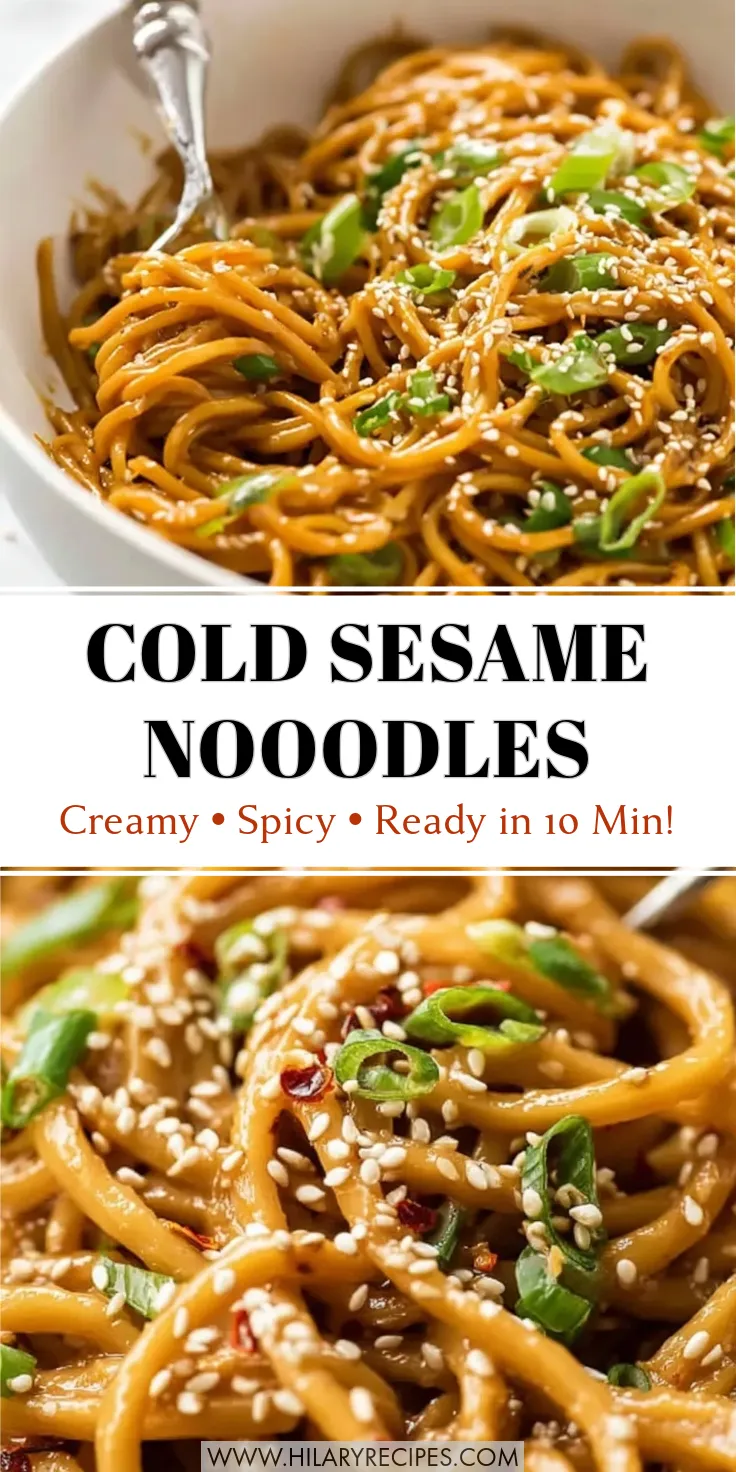
Table of Contents
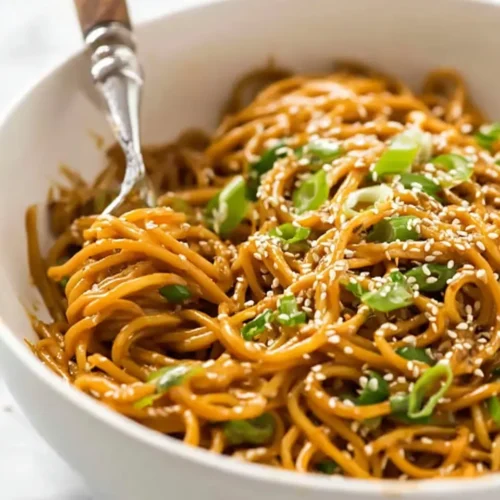
Cold Sesame Noodles (Leftover Pasta Magic)

Ingredients
For the Sesame Sauce:
- ¼ cup Chinese sesame paste or smooth peanut butter
- 2 tablespoons light soy sauce
- 2 tablespoons Chinese black vinegar Chinkiang vinegar
- 1 tablespoon granulated sugar
- 1 tablespoon chili oil adjust to taste
- 1 tablespoon water
- 3 cloves garlic finely grated or minced
For the Noodles & Garnish:
- 8 ounces dried thin wheat noodles or leftover spaghetti/linguine
- ½ cup reserved noodle cooking water
- 2 scallions thinly sliced
- 1 small cucumber julienned
- 2 tablespoons crushed roasted peanuts
- Fresh cilantro leaves optional
Instructions
- Make the Sauce: In a jar with a tight-fitting lid, combine the sesame paste, soy sauce, black vinegar, sugar, chili oil, water, and grated garlic. Seal and shake vigorously for 30-45 seconds until the sauce is completely smooth and emulsified. (Alternatively, whisk energetically in a bowl).
- Cook the Noodles: Boil the noodles according to package instructions until al dente (usually 3-5 minutes for fresh, 5-8 for dried). Important: Before draining, scoop out and reserve at least ½ cup of the starchy cooking water.
- Shock & Drain: Drain the noodles immediately and rinse under cold water for 1-2 minutes to stop the cooking and wash away excess starch. Shake off excess water or pat dry.
- Combine: Transfer the cooled noodles to a large bowl. Pour the sesame sauce over the noodles and add ¼ cup of the reserved cooking water. Toss thoroughly with tongs for 1-2 minutes until coated and glossy. Add more reserved water if needed to loosen the sauce.
- Serve: Transfer to bowls and top with scallions, cucumber, peanuts, and cilantro. Serve immediately or chill for 30 minutes for deeper flavor.
Notes
- Leftover Pasta: If using leftover cold spaghetti, simply rinse it under cold water to loosen the strands before tossing with the sauce.
- Substitutions: No sesame paste? Use natural peanut butter for a nuttier, slightly sweeter version.
- Storage: Leftovers keep well in the fridge for 3-4 days. You may need to add a splash of warm water or soy sauce to loosen the noodles after refrigerating.
Nutrition
Why This Recipe Works
Before we dive into the bowl, let’s discuss why this approach works so well. The magic lies in the balance. We are taking the concept of a traditional sesame noodle salad and simplifying it for the home kitchen without sacrificing that bold, authentic flavor profile.
- Texture: The contrast between the slippery, coated noodles and the crunch of fresh cucumber and peanuts is totally crave-worthy.
- Versatility: While I love using traditional wheat noodles, this sauce is a miracle worker on leftover pasta recipes, spaghetti, linguine, or even angel hair.
- Speed: Since we are often working with pre-cooked or quick-cooking noodles, the bulk of the “work” is just shaking a jar of sauce.
Ingredients You Need
Here is exactly what you need to pull this off. I’ve listed the measurements precisely so you achieve the perfect balance of salty, sour, and nutty flavors.
For the Sesame Sauce:
- ¼ cup Chinese sesame paste: This is the heart of the dish. It has a deep, roasted flavor that peanut butter just can’t quite replicate (though check the tips section if you’re in a pinch!).
- 2 tablespoons light soy sauce: Adds the essential savory, umami backbone.
- 2 tablespoons Chinese black vinegar (Chinkiang vinegar): This brings a mellow, slightly smoky acidity that makes the sauce sing.
- 1 tablespoon granulated sugar: To balance the salt and acid.
- 1 tablespoon chili oil: Adjust this to your taste, but I recommend keeping it for that little kick of heat and color.
- One tablespoon of water helps thin the paste initially.
- 3 cloves garlic: Finely grated or minced. Fresh is best here for that sharp bite.
For the Noodles & Garnish:
- 8 ounces dried thin wheat noodles: Alternatively, you can use any long, thin pasta you have on hand.
- ½ cup reserved noodle cooking water: Do not skip this! It’s liquid gold for the sauce texture.
- 2 scallions: Thinly sliced for a fresh oniony bite.
- 1 small cucumber: Julienned or thinly sliced for that necessary crunch.
- 2 tablespoons crushed roasted peanuts: Adds texture and amplifies the nutty flavor.
- Extra chili oil: Optional, for drizzling at the end.
- Fresh cilantro leaves: Optional, but adds a lovely herbal freshness.
Step-by-Step Instructions
Get ready to see how fast this comes together.
1. Make the Sesame Sauce
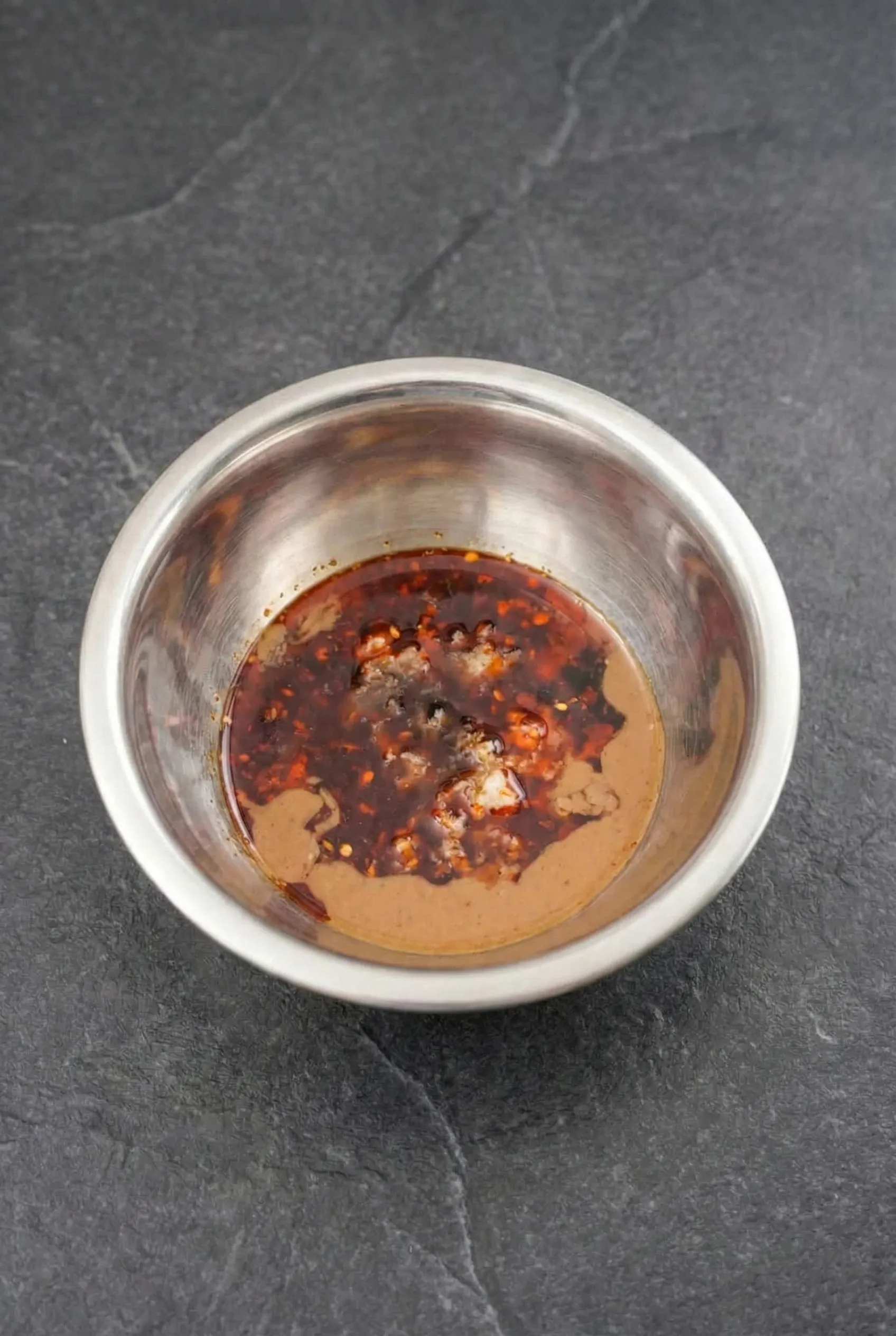
In a jar with a tight-fitting lid or a medium bowl, combine the Chinese sesame paste, light soy sauce, black vinegar, sugar, chili oil, water, and grated garlic.
- Technique Tip: If you’re using a jar (my personal favorite method), seal it tightly and shake vigorously for 30-45 seconds. You want it completely smooth and emulsified.
- Alternative: If you’re using a bowl, whisk energetically. The goal is a creamy, pourable consistency that is thick but not paste-like. Set this aside to let the flavors get to know each other.
2. Cook the Noodles
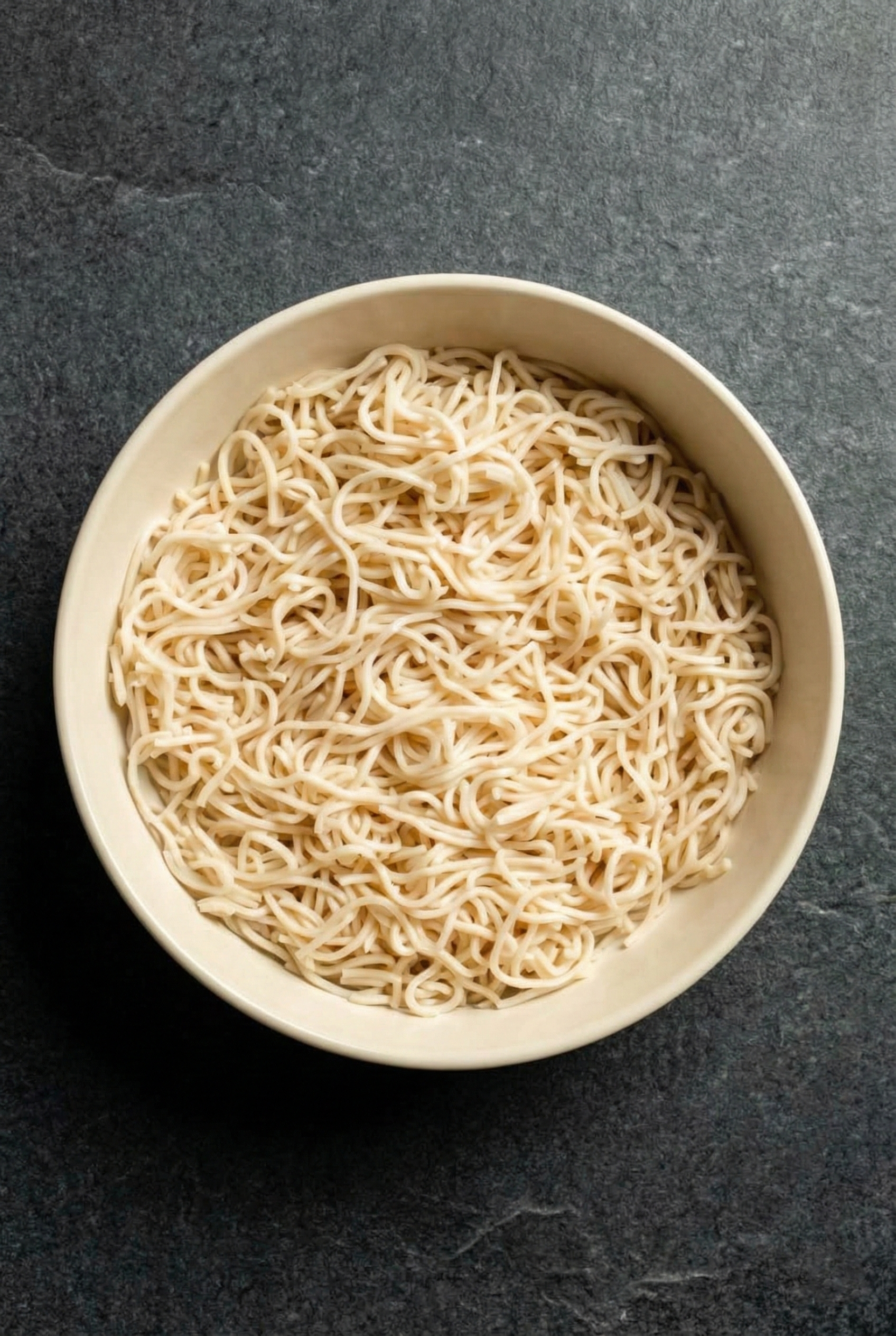
Bring a large pot of water to a rolling boil over high heat. Add your noodles and cook according to the package instructions.
- Timing: This typically takes 3-5 minutes for fresh noodles and 5-8 minutes for dried noodles. You want them tender but with a slight bite (al dente).
- Crucial Step: Before draining them, use a measuring cup to scoop out and reserve at least ½ cup of the starchy cooking liquid. This starchy water helps the sauce emulsify and cling to the noodles; later, it’s the secret to a silky, non-clumpy dish.
3. Shock and Drain
Immediately drain the cooked noodles in a colander, then run them under cold water for 1-2 minutes. Toss them gently with your hands as you rinse.
- Why we do this: This stops the cooking process instantly, preventing them from becoming mushy. It also washes away excess surface starch that would otherwise make your easy cold noodle recipes turn gummy.
- Dry them off: Once cool, shake the colander vigorously to remove as much water as possible. I even like to pat them dry with a paper towel so the water doesn’t dilute that bold sauce.
4. Combine and Toss
Transfer your well-drained, cooled noodles to a large mixing bowl. Give your sesame sauce one final stir or shake, then pour it over the noodles. Add ¼ cup of the reserved noodle cooking water you set aside.
- The Mix: Using tongs or chopsticks, toss the noodles thoroughly for 1-2 minutes. Lift and turn them to ensure every strand is coated. The starchy water will combine with the oils to make a glossy, decadent sauce!
- Adjusting Consistency: If it feels too thick, add more reserved water one tablespoon at a time until it’s glossy and slippery.
5. Chill (Optional but Recommended)
If you have the patience, cover the bowl and refrigerate for at least 30 minutes (or up to 2 hours).
- The Payoff: Chilling allows the garlic to mellow slightly and the noodles to absorb the flavors, making the whole dish more harmonious.
6. Finish & Serve
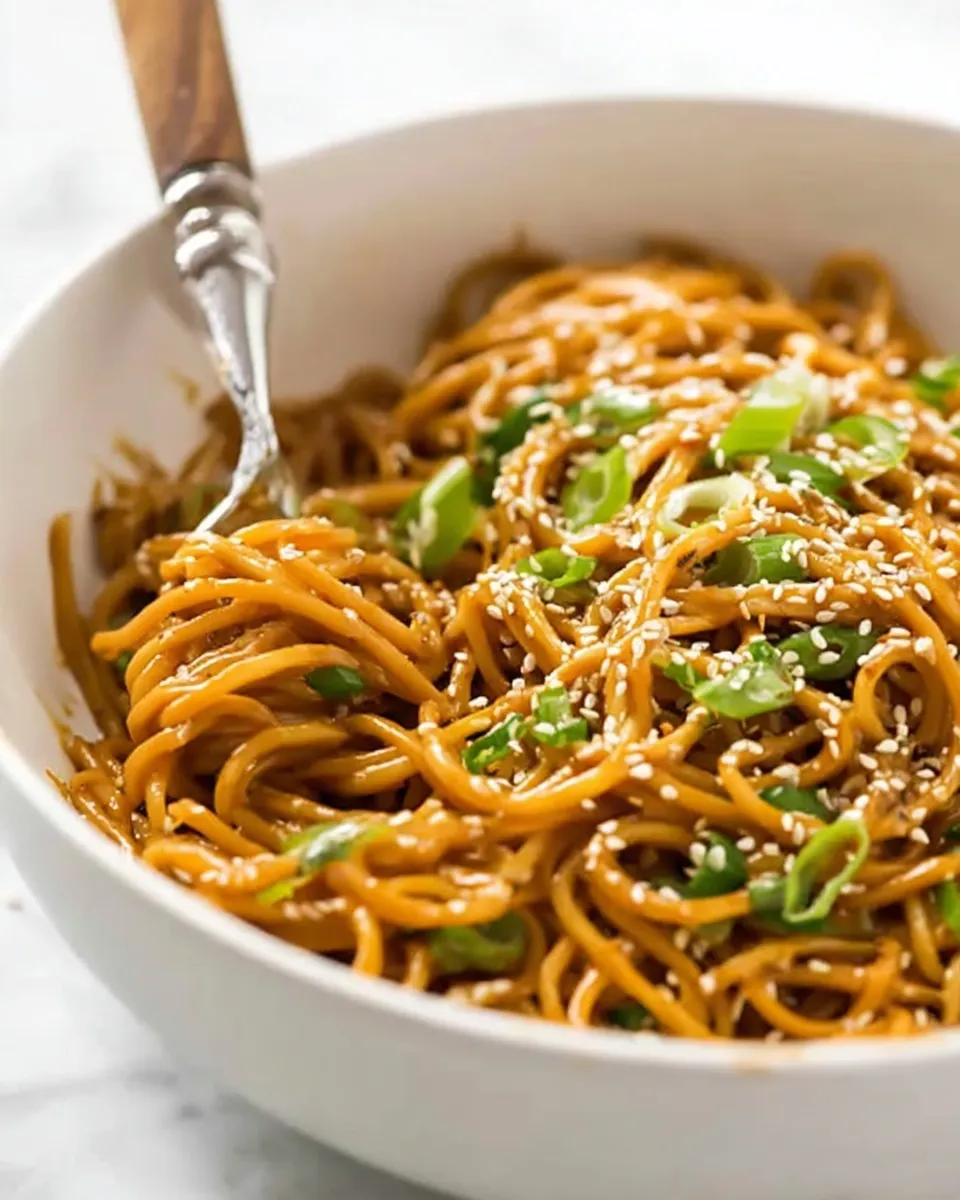
Just before serving, give the noodles a good toss as the sauce may have settled. Transfer to bowls and top generously with sliced scallions, cucumber ribbons, and crushed peanuts. Drizzle with extra chili oil and scatter cilantro on top, if desired.
Tips & Variations for Success
This recipe is incredibly forgiving, which is why it’s one of my go-to options for an Asian pasta salad. Here are a few ways you can adapt it to your pantry.
- Sesame Paste Substitutions: If you can’t find Chinese sesame paste, don’t stress. You can opt for natural creamy peanut butter. It’s sweeter and nuttier, so add a splash more soy sauce or vinegar to balance it out. Tahini is another option, although it has a slightly bitter edge, so consider using a 50/50 mix of tahini and peanut butter.
- Vegetable Add-ins: While cucumber is traditional, I love throwing in shredded carrots, bean sprouts, or even thinly sliced bell peppers for extra color and crunch. It turns the dish into a more robust sesame noodle salad.
- Protein Boost: Want to make this a fuller meal? Shredded rotisserie chicken, edamame, or strips of pan-fried tofu fit perfectly here.
- Spice Level: If you are sensitive to heat, you can reduce the chili oil or omit it entirely, but the flavor will be slightly less intense. Try using pure sesame oil in its place for the aroma without the burn.
Nutritional Note:Calories: ~450 | Protein: 12g | Carbs: 60g | Fat: 18g
(Nutritional information is approximate and may vary based on ingredients used and portion sizes.)
What to Serve With Cold Sesame Noodles
These noodles are a star on their own, but they play very well with others. If I’m making this for a dinner party or a larger lunch spread, here is what I pair them with:
- Smacked Cucumber Salad: Doubling down on the cucumber is never a bad idea. A garlicky, vinegar-heavy cucumber salad creates a refreshing contrast to the creamy noodles.
- Dumplings or Potstickers: This is a classic combo. The savory, meaty filling of a dumpling matches perfectly with the nutty noodle sauce.
- Grilled Chicken or Satay: If you didn’t add protein directly into the noodles, some simple grilled skewers on the side turn this into a protein-packed feast.
- Steamed Bok Choy: A side of simple greens with oyster sauce adds a nice warm element to balance the quick cold pasta dishes.
FAQs: Mastering Your Noodles
Here are a few questions that often pop up when making make-ahead noodles.
What to do with leftover cold spaghetti noodles?
Leftover spaghetti is actually perfect for this! Since the starch has already retrograded (a fancy way of saying it has firmed up), it retains its shape well. Rinse your leftover plain spaghetti under cold water to loosen it up, drain well, and toss with the sauce. It’s the ultimate hack for leftover pasta recipes.
How to eat Cold Sesame Noodles?
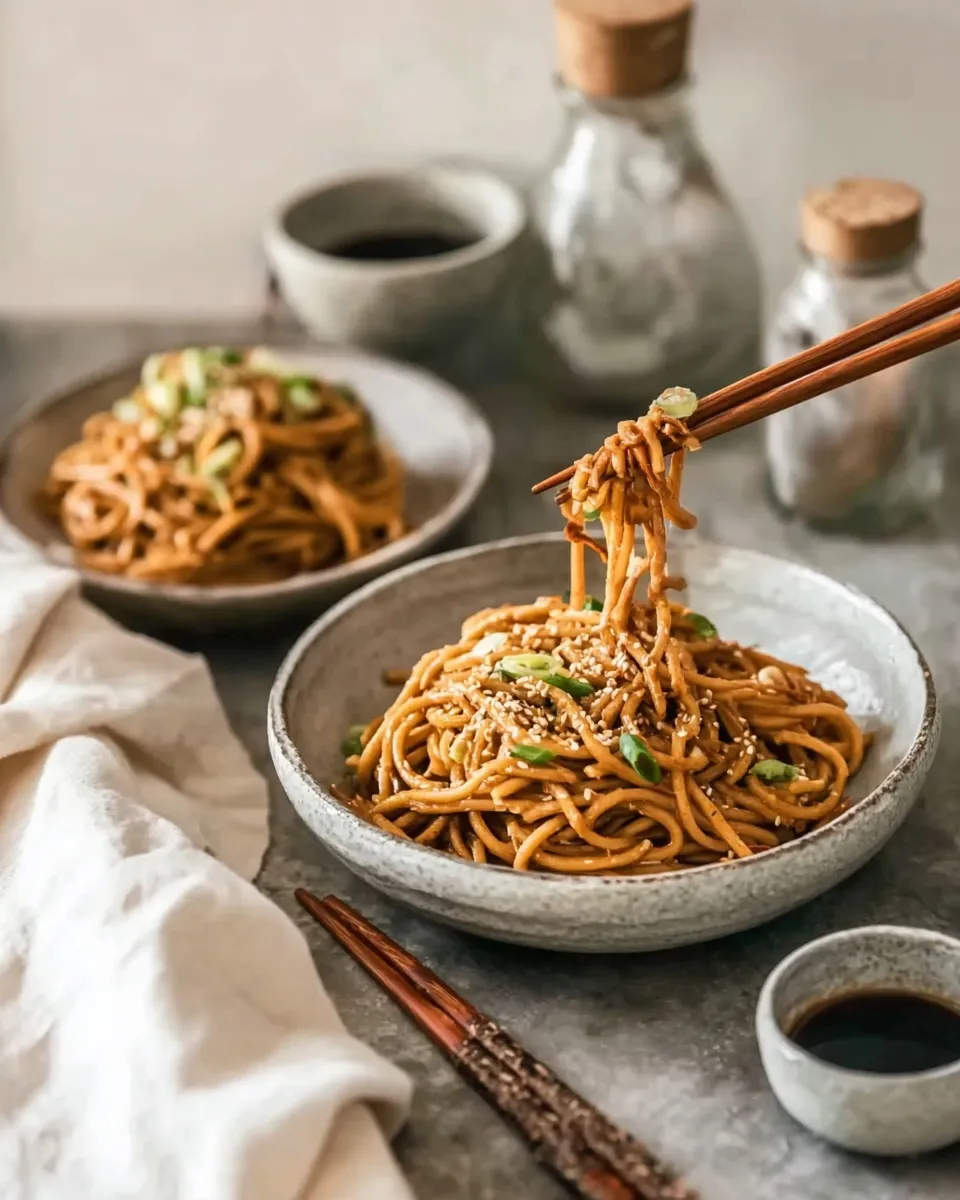
These are best eaten with chopsticks to grab big mouthfuls of noodles along with the cucumber and peanut garnish. However, a fork works just fine! The key is to stir them right before you take a bite to ensure you get plenty of that sauce that might have slipped to the bottom of the bowl.
How long can sesame noodles last in the fridge?
These noodles store surprisingly well. They will last in an airtight container in the fridge for 3 to 4 days. Note that the noodles will absorb more sauce the longer they are left to sit. When you’re ready to eat leftovers, you may need to add a teaspoon of warm water or soy sauce to loosen them up again.
Ready to Dig In?
This recipe inspires you to look at that box of pasta in your pantry in a new light. Cold Sesame Noodles are vibrant, flexible, and honestly, just fun to eat. It’s one of those meals that feels special but requires barely any effort, and isn’t that the best kind of cooking?
I’d love to hear how yours turned out! Did you stick to the classic recipe, or did you get creative with the veggies? Please drop a comment below and let me know. Happy cooking!