
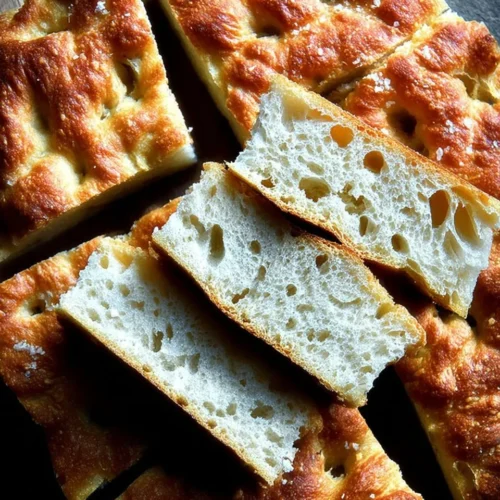
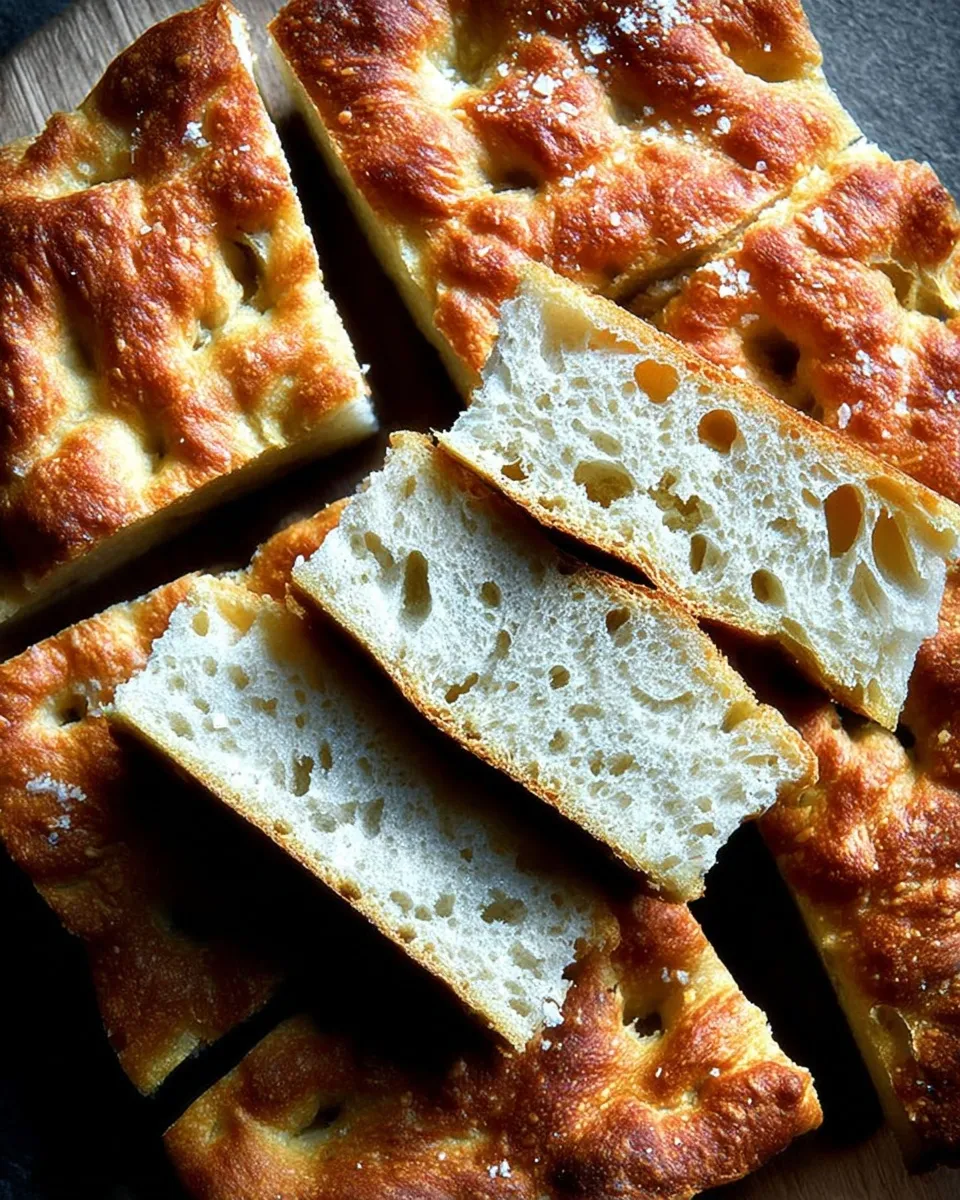
There is something deeply satisfying about pulling a massive, golden-brown slab of bubbly bread out of the oven. Sheet pan focaccia has become my absolute go-to for gathering friends, as it embodies the definition of high-reward, low-effort baking. I remember the first time I tried to scale up a standard loaf recipe for a big dinner party, I was terrified of the math! But once I realized how forgiving and flexible this dough is, it completely changed my hosting game. Whether you are feeding a hungry crowd or want leftovers for the best sandwiches of your life, this recipe delivers a crisp, olive-oil-soaked crust and a pillowy, airy interior every single time. It is perfectly refreshing and yet totally crave-worthy.
What makes this particular version special is the “brine” technique, a simple mixture of salty water poured over the dough before baking, which creates those signature soft pockets of flavor. Get ready to ditch the stress of precise loaf shaping; we are going for big, beautiful, bakery-style trays here.
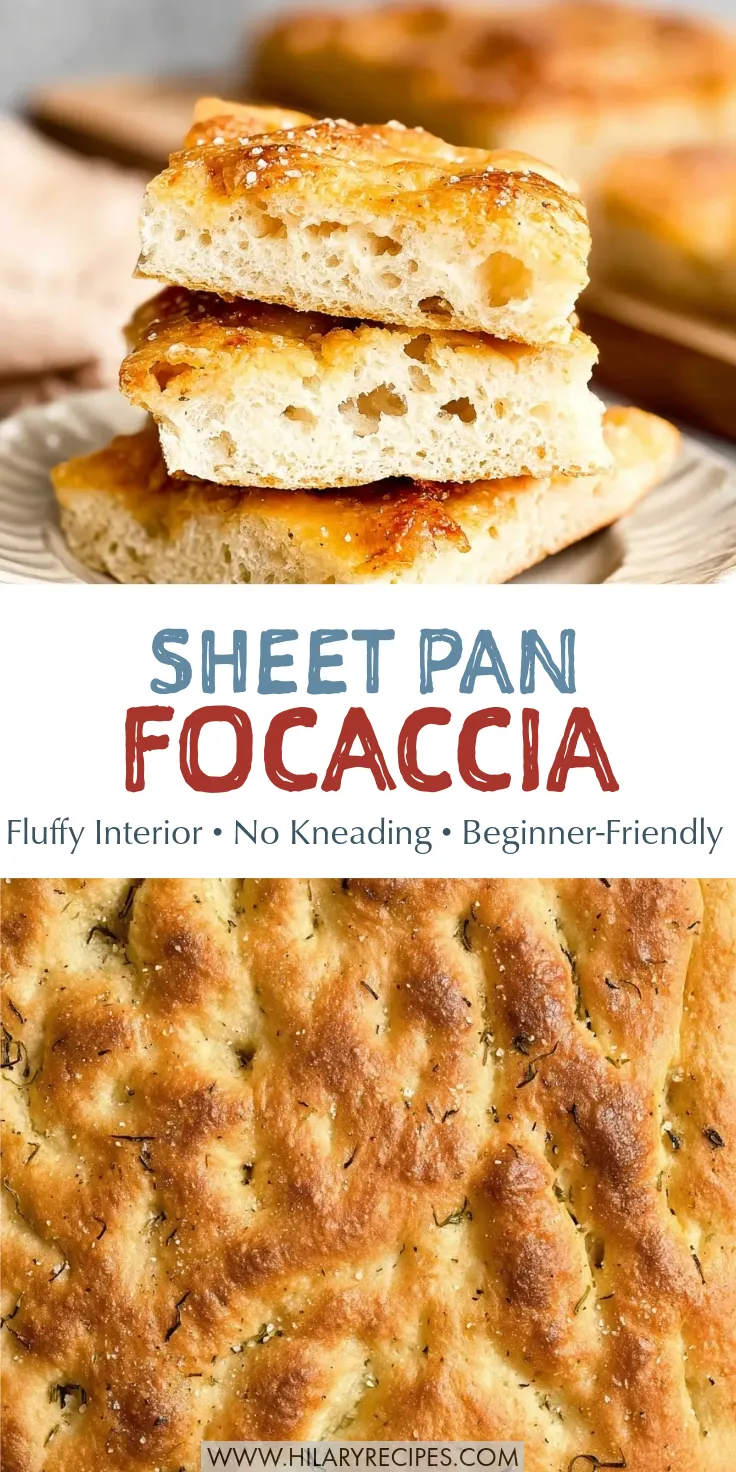
Table of Contents
Scalable Sheet Pan Focaccia

Ingredients
For the Focaccia Dough
- 1¾ cups warm water 105°F – test with a thermometer for best results
- 2¼ teaspoons active dry yeast one standard packet
- 1 tablespoon granulated sugar
- 4⅓ cups all-purpose flour plus ¼ cup extra for kneading
- ⅓ cup extra virgin olive oil use high-quality for best flavor
- 1 tablespoon kosher salt
- ½ cup extra virgin olive oil for the sheet pan yes, really!
For the Salt Brine
- ⅓ cup water
- 2 teaspoons kosher salt or sea salt
Topping Options
- Flaky sea salt like Maldon or Jacobsen
- Fresh rosemary chopped
- Cherry tomatoes halved
- Kalamata olives pitted
- Garlic salt
Instructions
- Activate the Yeast: Pour the warm water (105°F) into a large mixing bowl. Sprinkle the yeast over the water, add the sugar, and stir gently. Let it sit for 5 minutes until bubbly and foamy, this tells you the yeast is ready to go!
- Mix the Dough: Add the flour, drizzle the ⅓ cup of olive oil on top, and sprinkle in the salt. Stir with a wooden spoon until a shaggy, sticky dough forms.
- Knead: Turn the dough onto a lightly floured surface. Knead for 4-5 minutes until smooth and elastic. The dough should be tacky, don’t add too much flour, or you’ll lose that airy texture!
- First Rise: Coat the mixing bowl with a little olive oil. Return the dough to the bowl, cover tightly, and place in a warm, draft-free spot. Let it rise for 3 hours until doubled in size and pillowy.
- Pan & Shape: Preheat oven to 425°F. Pour the full ½ cup of olive oil into a 12×17 inch baking sheet, coating the bottom and sides. Transfer the dough to the pan and gently stretch it toward the edges. If it snaps back, let it rest for 10 minutes and try again.
- Dimple & Brine: Using your fingertips, press straight down to create deep dimples all over the dough. Whisk the brine ingredients (water and salt) together and pour it over the dough, letting it pool in the dimples. Add your toppings now!
- Second Rise: Let the dough rest in the pan for 45 minutes until puffy.
- Bake: Bake for 25-30 minutes until deep golden brown. Let cool in the pan for 10 minutes before slicing.
Notes
- Brine Magic: Don’t skip the brine step! That salty water evaporates during baking, leaving behind incredible flavor and keeping the crumb moist.
- Pan Sizes: If using a smaller 9×13 pan for a thicker focaccia, you may need to increase the bake time slightly.
- Storage: Store leftovers in an airtight container at room temperature for 2 days, or freeze for up to a month.
Nutrition
Ingredients
For the Focaccia Dough:
- 1¾ cups warm water (105°F – test with a thermometer for best results)
- 2¼ teaspoons active dry yeast (one standard packet)
- 1 tablespoon granulated sugar
- 4⅓ cups all-purpose flour, plus ¼ cup extra for kneading
- ⅓ cup extra virgin olive oil (use high-quality for best flavor)
- 1 tablespoon kosher salt
- ½ cup extra virgin olive oil for the sheet pan (yes, really!)
For the Salt Brine:
- ⅓ cup water
- 2 teaspoons kosher salt or sea salt
For Topping (Choose Your Favorites):
- Flaky sea salt (like Maldon or Jacobsen)
- Cherry tomatoes, halved.
- Sun-dried tomatoes in oil, drained and chopped.
- Fresh rosemary, chopped.
- Garlic salt
- Kalamata olives, pitted and halved
- Fresh figs and thin prosciutto slices
- Fresh thyme or oregano
Instructions: How to Bake the Perfect Focaccia
1. Activate the Yeast
Get ready to start with the basics. Pour the warm water into a large mixing bowl, ensuring it’s 105°F. Water that is too hot kills the yeast, while water that is too cold won’t activate it properly. Sprinkle the yeast over the water and stir gently with a wooden spoon. Add the sugar and let this mixture sit undisturbed for about 5 minutes. You want it to become bubbly and foamy on top; this tells you the yeast is alive and active.
2. Mix and Knead
Once the yeast mixture is foamy, add the flour in an even layer on top. Then, drizzle the ⅓ cup of olive oil over the flour and finally sprinkle the kosher salt over everything. The order matters here: keeping the salt separated from the yeast initially prevents the salt from interfering with yeast activation. Stir everything together with a wooden spoon until a shaggy, sticky dough forms and pulls away from the sides of the bowl.
Turn the shaggy dough out onto a lightly floured work surface. Using the extra ¼ cup of flour as needed, knead the dough for 4-5 minutes until it becomes relatively smooth and elastic. The dough will be pretty wet. This is precisely what you want! Don’t be tempted to add too much extra flour; a slightly sticky dough creates that perfect tender interior.
3. First Proof
Drizzle a small amount of olive oil into your mixing bowl and use your hand or a paper towel to coat the inside. Place the kneaded dough back into the oiled bowl, turning it once to coat the top with oil. Cover the bowl tightly with plastic wrap or a clean kitchen towel. Please place it in a warm, draft-free spot (an unheated oven with the light on works perfectly) and let the dough rise for 3 hours until it has doubled in size and looks puffy and pillowy. If you’re short on time, you can get away with 1½ to 2 hours, though the texture won’t be as light and airy.
4. Pan Prep and Shaping
Once the dough has completed its first rise, preheat your oven to 425°F. Pour the full ½ cup of olive oil into a large sheet pan (approximately 12×17 inches) and tilt the pan in all directions to evenly coat the entire bottom and slightly up the sides. Yes, it may seem like a lot of oil, but this is what creates that incredible, crispy yet tender crust!
Transfer your risen dough to the oiled pan. Using your fingertips, gently press and stretch the dough toward the edges of the pan. If it keeps springing back and resisting, let it rest for 5-10 minutes to allow the gluten to relax, then continue stretching.
5. Dimpling and Brining
Once the dough is roughly spread to the pan edges, it’s time for the fun part: create those signature focaccia dimples by pressing your fingertips straight down through the dough all the way to the pan bottom. Create dimple holes all over the surface; don’t be shy – you can’t overdo it!
In a small bowl, stir together ⅓ cup of water and two teaspoons of salt until the salt is dissolved to make your brine. Slowly pour this salty water all over the dimpled dough, making sure it pools in all those finger-pressed holes. It creates a glossy, decadent sauce effect right on the crust! This Ligurian technique makes the focaccia incredibly moist and flavorful.
6. Second Proof and Bake
At this point, if you’re using toppings like halved cherry tomatoes, fresh rosemary, or olives, gently press them into the dough. Let the dough rest in the pan for 45 minutes for its second proof. After 45 minutes, the dough should look puffy, and the brine will have mostly absorbed. Sprinkle generously with flaky sea salt if desired.
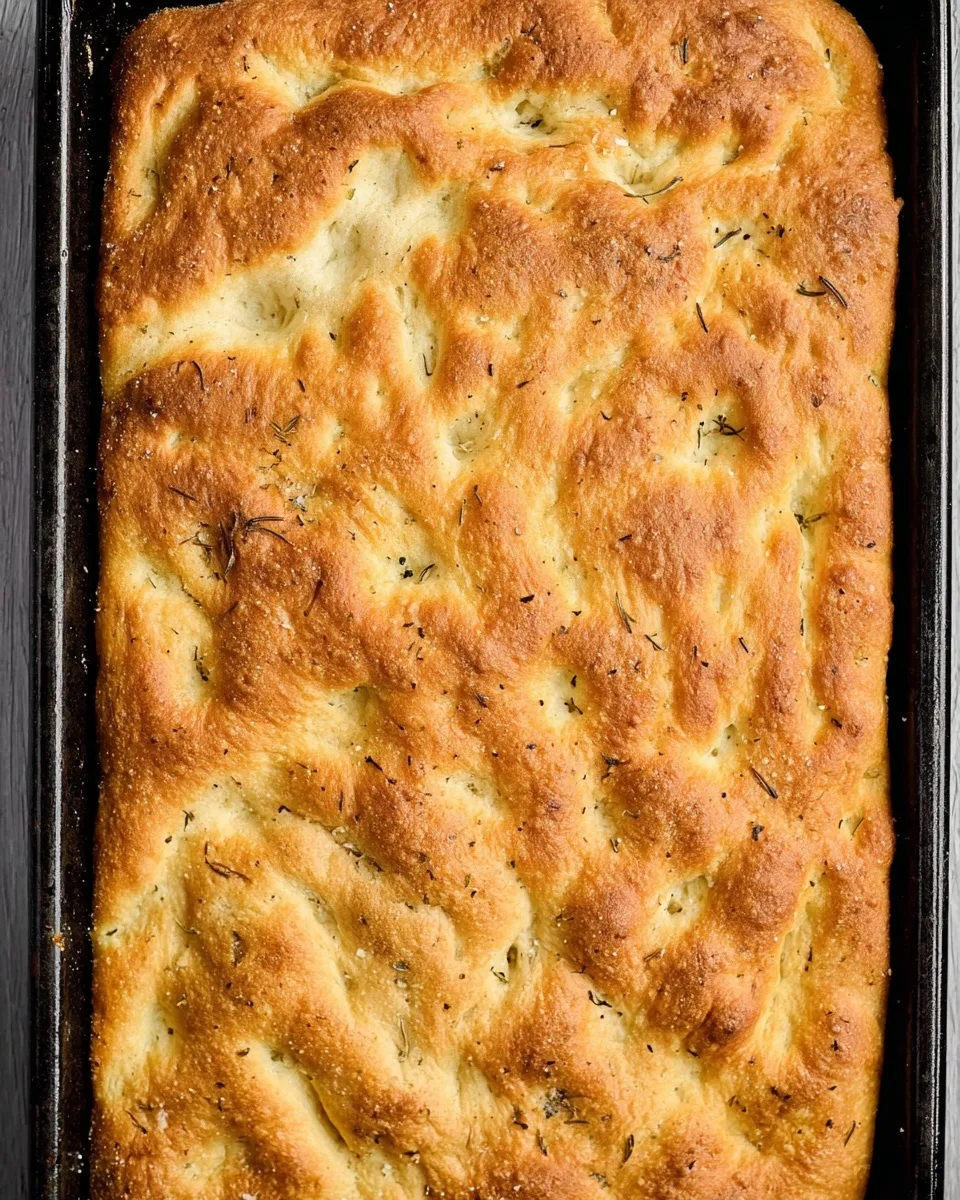
Bake in your preheated 425°F oven for 25-30 minutes. You want the focaccia to be deeply golden brown on top with darker, crispier edges. Remove from the oven and let it cool in the pan for 5-10 minutes before slicing.
Tips, Variations & Scalable Dough Guide
- Scaling for Different Pans: One of the most common pitfalls in making sheet pan focaccia is uneven browning in huge pans. If you scale this up for a larger commercial tray, I recommend rotating the pan halfway through baking and monitoring your oven’s hot spots to ensure even baking.
- The Weight Method: For truly scalable focaccia dough, try to weigh your ingredients. Using a hydration percentage (baker’s math) ensures that whether you are making a small quarter sheet or a massive full sheet, your dough texture remains consistent.
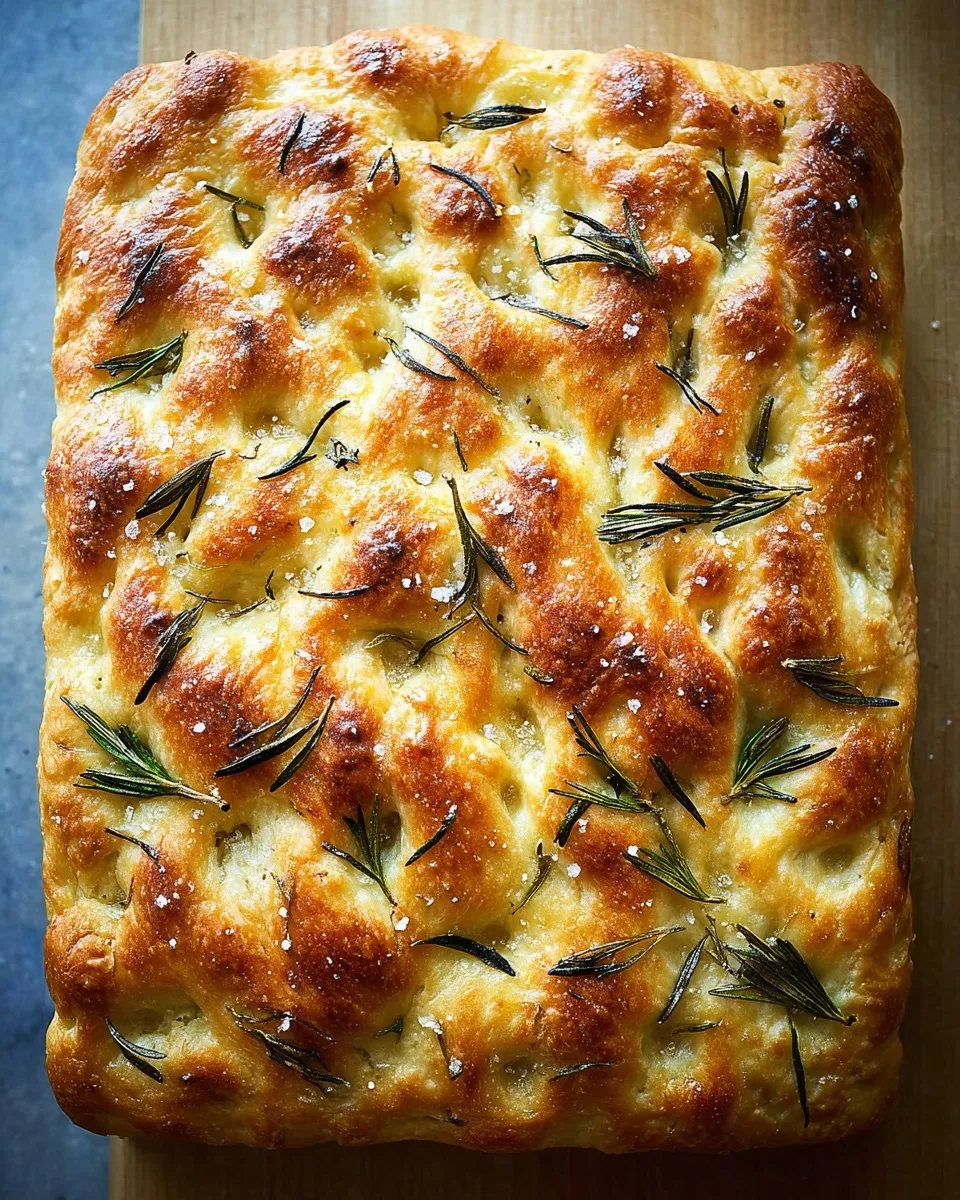
- Rosemary Sheet Pan Focaccia: My personal favorite is the classic rosemary sheet pan focaccia. I recommend tossing the rosemary in a bit of oil before topping so it fries rather than burns in the oven.
- Garlic Lover’s Twist: For a garlic sheet pan focaccia, embed raw garlic cloves deep into the dimples, or brush the finished bread with garlic-infused oil immediately after baking.
- Gluten-Free Options: You can absolutely make this gluten-free! Opt for a high-quality cup-for-cup gluten-free flour blend that contains xanthan gum. You may need to increase the hydration slightly as GF flours are thirsty.
What to Serve With Focaccia
This bread is a meal anchor! I love serving it alongside:
- Hearty Soups: It’s the perfect dipper for a roasted tomato basil soup or a Tuscan ribollita.
- Charcuterie Boards: Slice it into thin fingers and pair with prosciutto, sharp provolone, and marinated artichokes.
- Salads: A bright, acidic arugula salad with lemon vinaigrette cuts through the richness of the olive oil beautifully.
- Pasta: Use it to mop up the sauce from a spicy vodka rigatoni or classic bolognese.
FAQs
What sheet pan is best for focaccia?
I recommend a heavy-duty aluminum half-sheet pan (typically 13 x 18 inches) for optimal heat conduction. Avoid dark nonstick pans if possible, as they can cause the bottom to burn before the top is fully cooked.
How unhealthy is focaccia?
“Unhealthy” is relative! While sheet pan focaccia is generous with olive oil, it provides healthy fats and is free from the preservatives found in store-bought bread. Enjoy it as part of a balanced meal with plenty of veggies and protein.
How long do you cook focaccia in the oven?
Bake this recipe for 25-30 minutes at 425°F. Keep an eye on it, you want a deep golden color, not a pale yellow. If you are using a focaccia pan size guide to scale down to a smaller 9×13 pan, your dough will be thicker and may need an extra 5 minutes.
Conclusion
There you have it – a sheet pan focaccia recipe that is as much fun to make as it is to eat. The combination of that crispy, olive-oil-fried bottom and the soft, airy crumb is just unbeatable. This guide gives you the confidence to whip up a batch this weekend! I’d love to hear how your bake turns out, so drop a comment below and let me know which toppings you chose. Happy baking!