
Get ready to meet your new favorite weeknight hero! If you have ever been to a Japanese izakaya, you likely know the magic of Miso Glazed Eggplant, or Nasu Dengaku. It is one of those dishes that looks incredibly impressive, glossy, vibrant, and perfectly charred, but is actually shockingly easy to pull off at home.
I first fell in love with this dish on a rainy evening in Tokyo. I expected something complicated, but I discovered that the beauty of Nasu Dengaku lies in its simplicity. It is essentially tender eggplant topped with a savory-sweet miso sauce and broiled until it bubbles and caramelizes. The texture is the real star here: the skin gets crispy while the inside turns into a silky, creamy custard that practically melts in your mouth.
You can whip this up in 15 minutes or less, making it a total lifesaver for busy evenings. Plus, it is naturally vegan and packed with that rich umami flavor that makes a meal feel satisfying without being heavy. Whether you serve it over a steaming bowl of rice or as a zippy appetizer, this recipe brings a bold taste of Japan right to your kitchen.
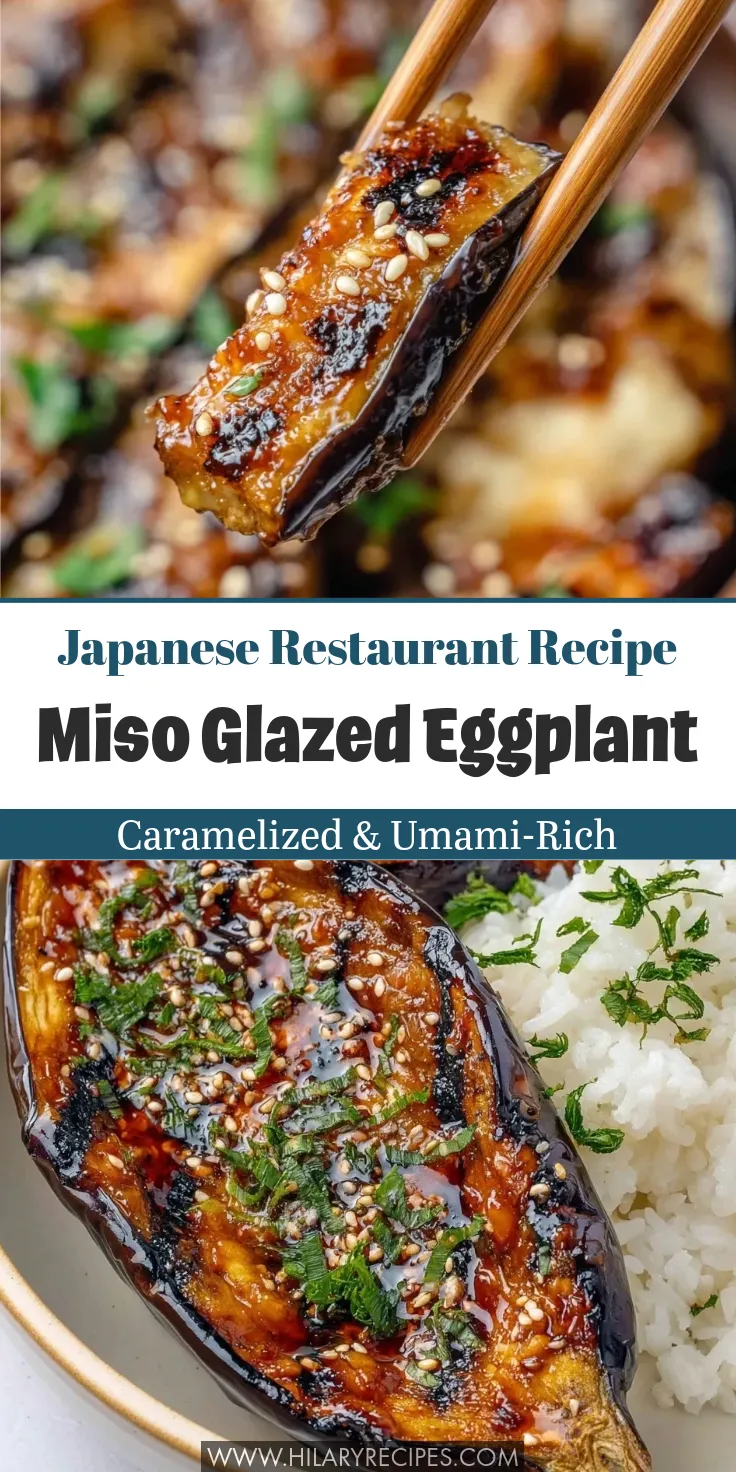
Table of Contents
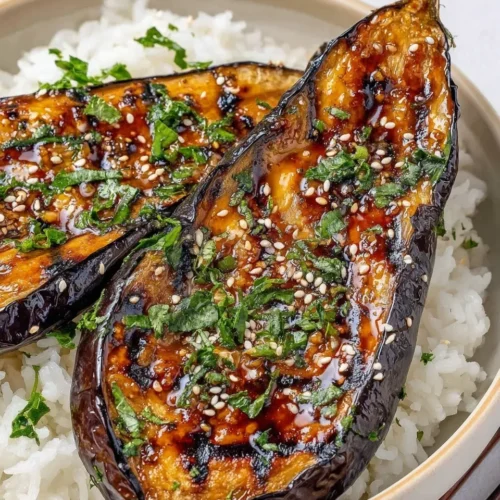
Miso Glazed Eggplant (Nasu Dengaku)

Ingredients
For the Eggplant:
- 2 small eggplants Japanese or globe eggplant work beautifully
- 2 tablespoons vegetable oil or other neutral oil
For the Miso Glaze:
- ¼ cup miso paste white or awase miso recommended
- 2 tablespoons mirin
- 1 tablespoon granulated sugar
- 1 tablespoon sake
For Garnish:
- White sesame seeds
- Optional: chopped chives shiso leaves, or fresh basil
Instructions
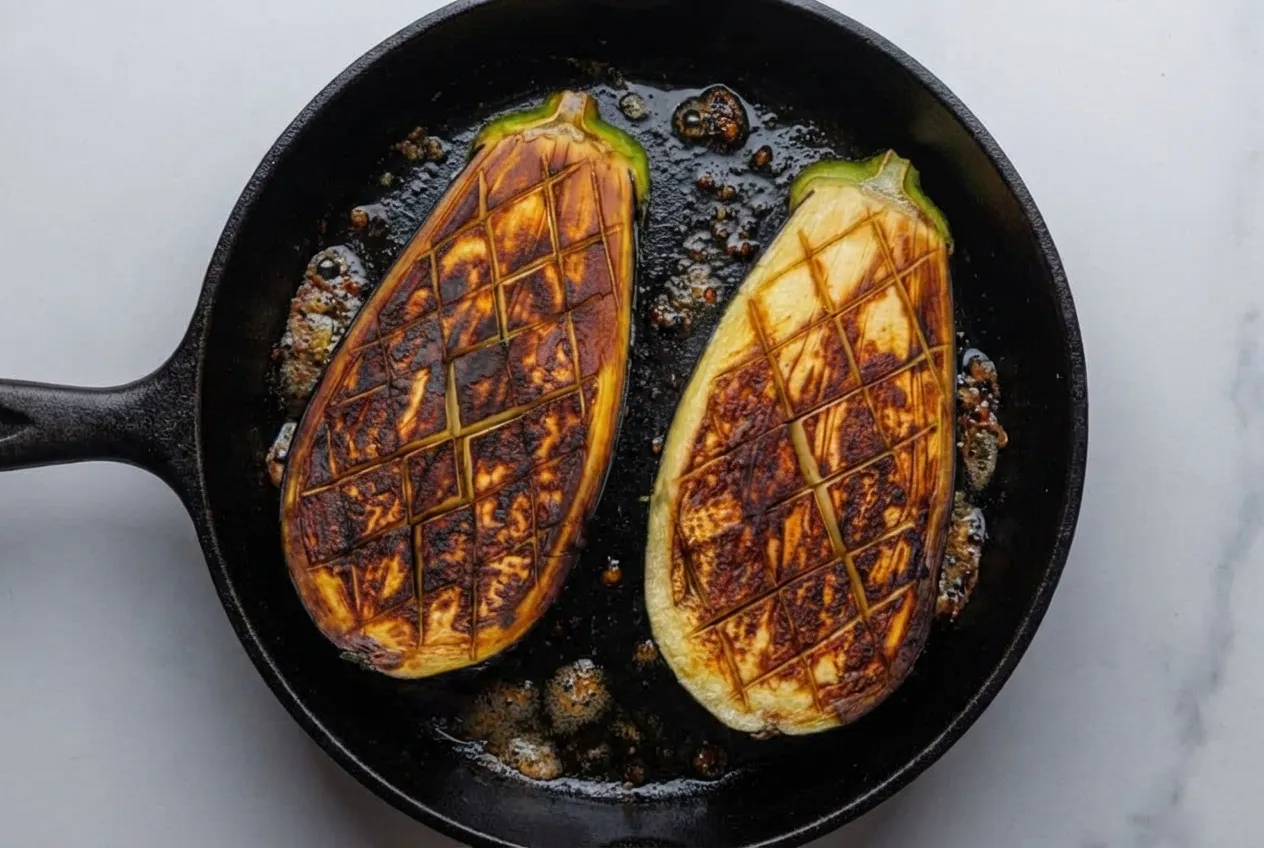
- Prepare the Eggplant: Slice each eggplant in half lengthwise. Score the flesh in a crosshatch pattern (diagonal cuts ½-inch apart), being careful not to pierce the skin.
- Pan-Fry: Heat oil in a large skillet over high heat. Place eggplant skin-side down and cook for 3–4 minutes until golden brown.
- Steam: Flip the eggplant (flesh-side down). Cover the pan, reduce heat to medium, and cook for 3–4 minutes until tender.
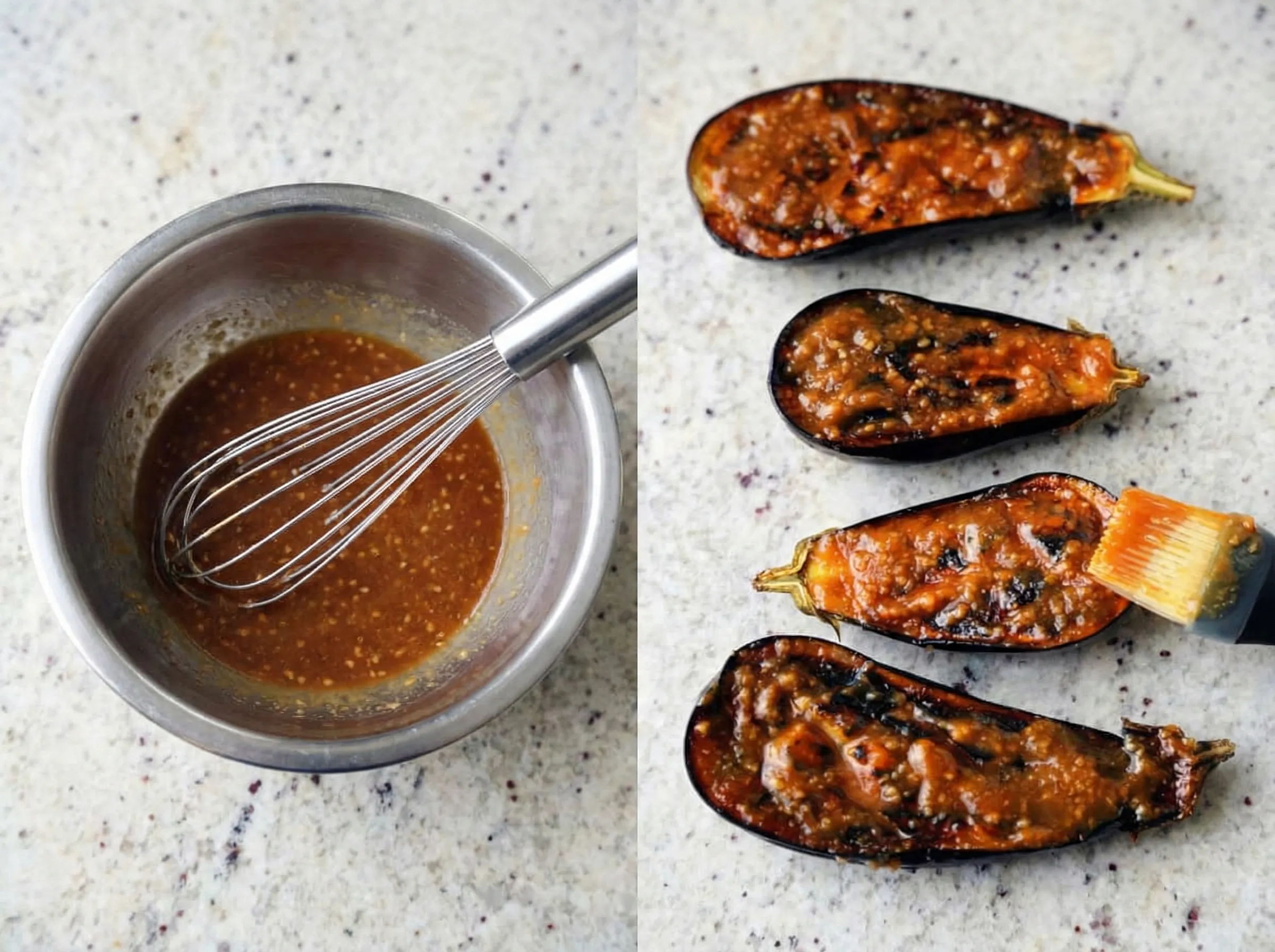
- Make Glaze: While eggplant cooks, whisk miso, mirin, sugar, and sake in a small bowl until smooth and sugar is dissolved.
- Glaze: Preheat broiler to high. Transfer eggplant to a foil-lined baking sheet (skin-side down). Generously brush the cut side with the miso glaze.
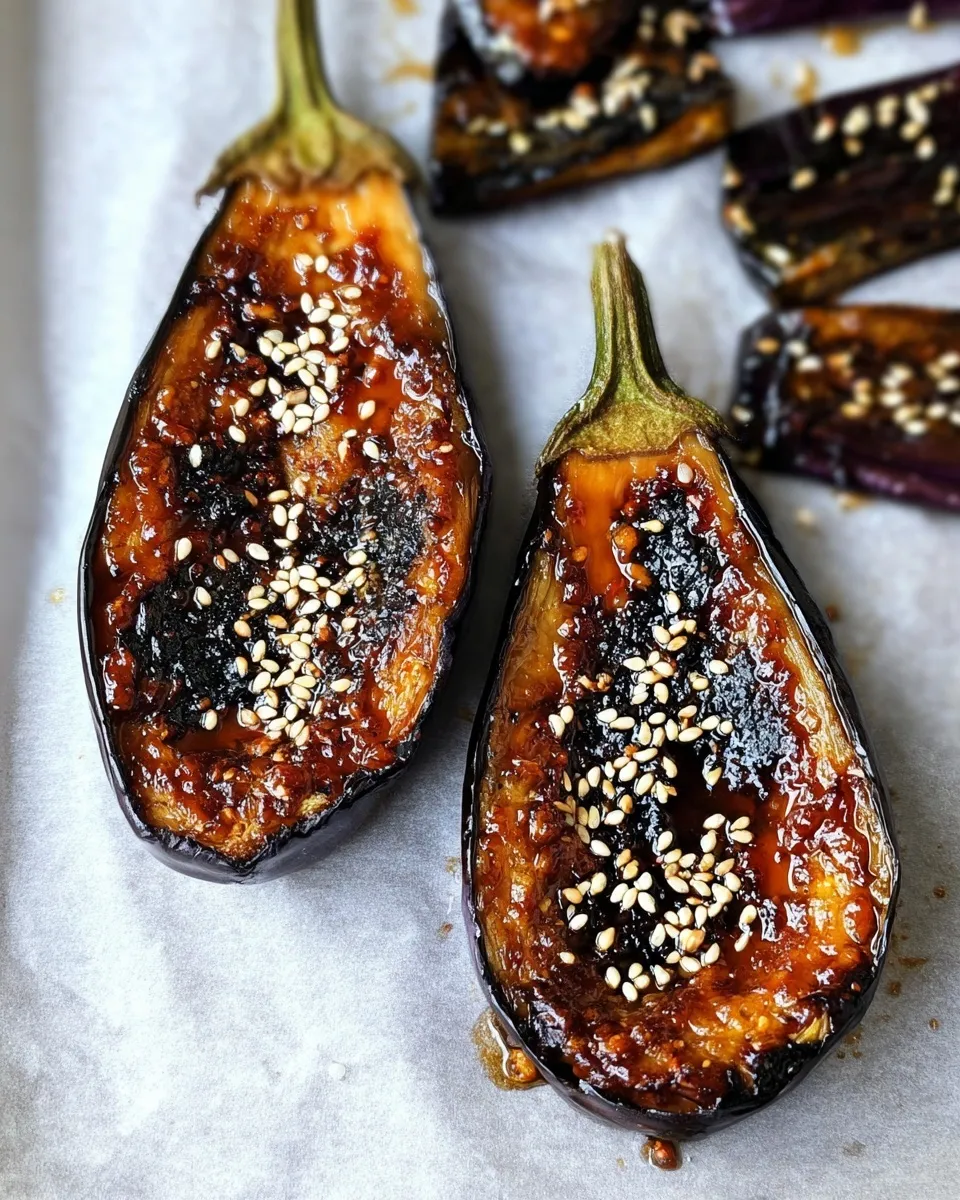
- Broil: Broil for 3–4 minutes until the glaze bubbles and caramelizes. Watch closely to prevent burning.
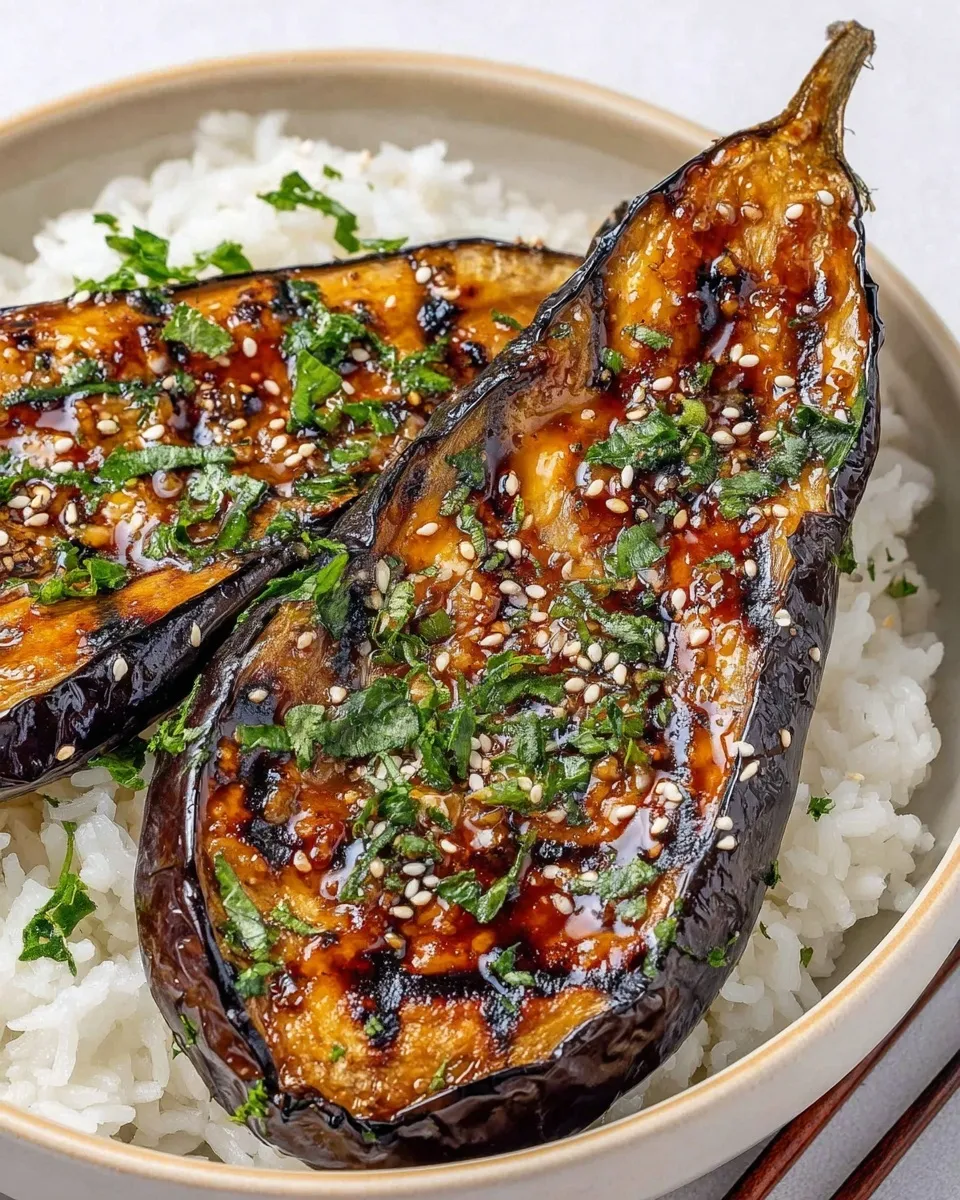
- Serve: Sprinkle with sesame seeds and optional herbs. Serve hot.
Nutrition
Ingredients
Here is what you need to get that restaurant-quality flavor. I’ve kept this list short and pragmatic because I know how annoying it is to hunt down twenty different items for a side dish.
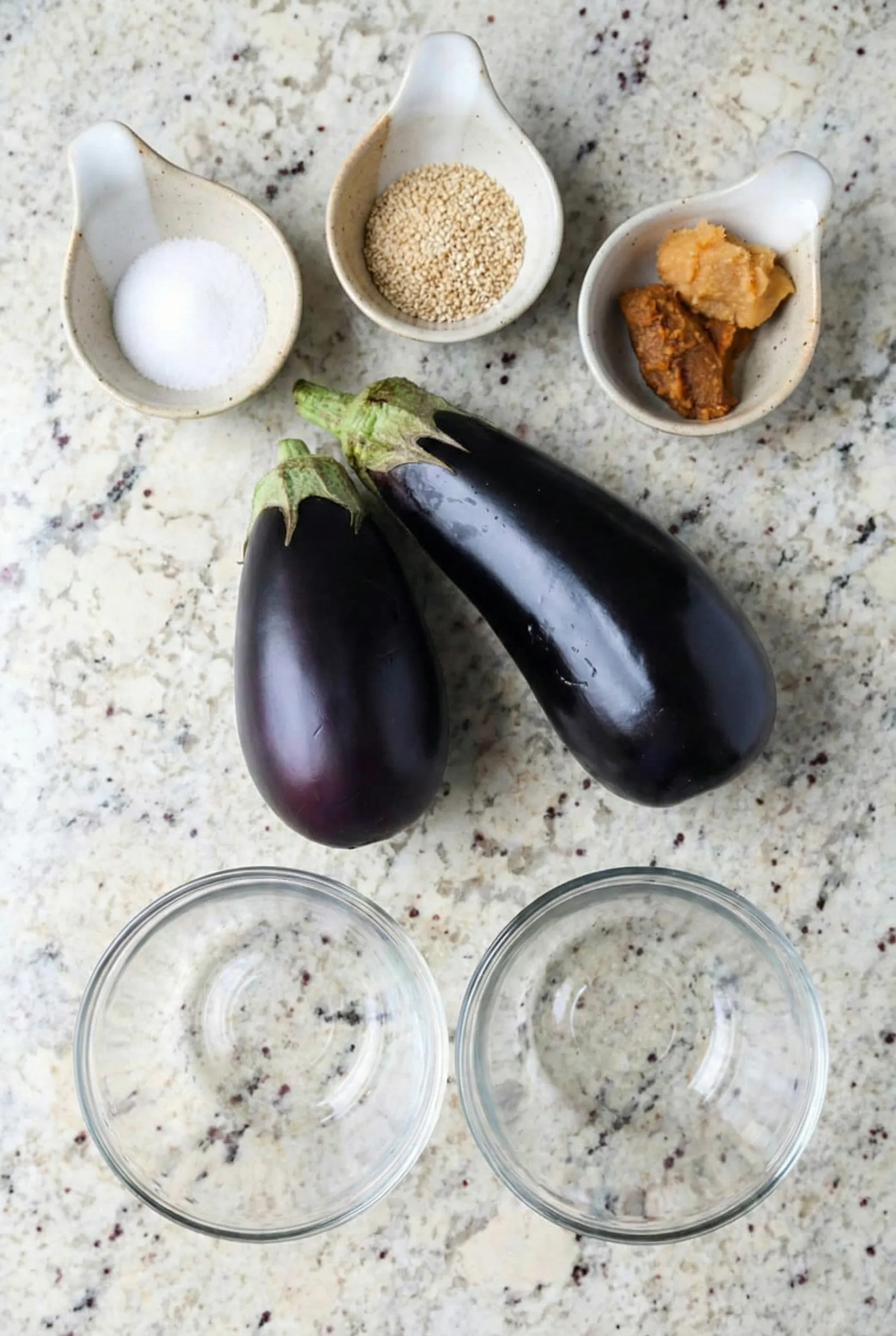
- 2 small eggplants: Japanese or globe eggplants work beautifully here. Japanese eggplants are slender and tend to be sweeter with thinner skin, but standard globe eggplants work great too.
- 2 tablespoons vegetable oil: Or any neutral oil you have on hand for pan-frying.
- ¼ cup miso paste: I recommend white miso (shiro miso) or awase (mixed miso). White miso is milder and sweeter, which is perfect for this glaze.
- 2 tablespoons mirin: This sweet rice wine adds a signature shine and balances the miso’s saltiness.
- 1 tablespoon granulated sugar: Essential for caramelization.
- 1 tablespoon sake: This adds depth, but you can substitute it with water or a splash of white grape juice if you are avoiding alcohol.
- Garnish: White sesame seeds are classic. If you are feeling fancy, chopped chives or shiso leaves add a lovely pop of color.
Instructions
This method uses a “double-cooking” technique: pan-frying to cook the flesh, then broiling to caramelize the glaze. It ensures the eggplant is perfectly tender inside and crispy outside.
1. Prepare the Eggplant
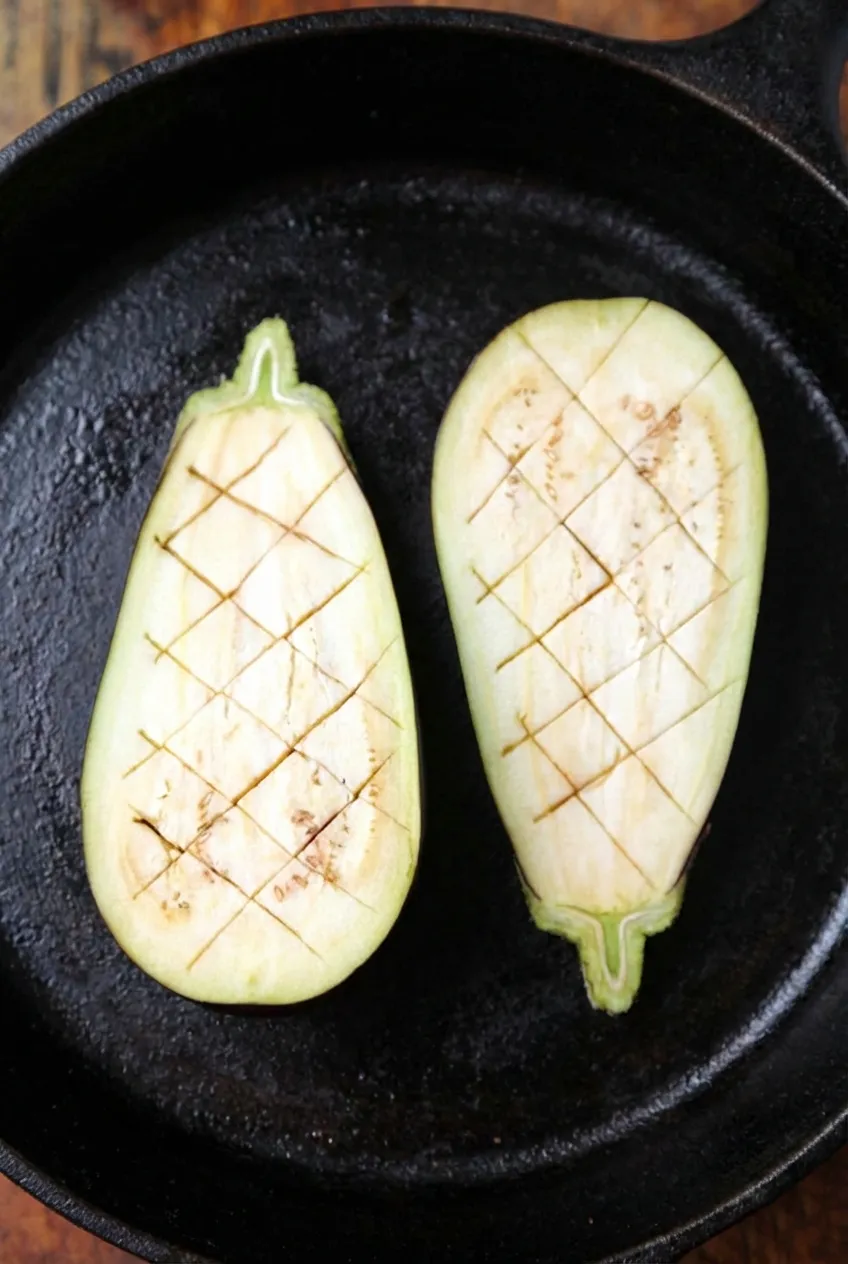
Start by slicing each eggplant in half lengthwise with a sharp knife. Now, here is the secret to that silky texture: score the flesh. Cut a crosshatch pattern (diagonal cuts about ½-inch apart) into the cut side of the eggplant.
Be careful not to cut through the outer skin! This scoring does two things: it helps the eggplant cook evenly so you don’t end up with raw spots, and it creates little crevices for that delicious miso glaze to seep into.
2. Pan-Fry Skin Side Down
Heat your large skillet over high heat and swirl in the vegetable oil. Place the eggplant halves in the pan, outer skin facing down. Let them cook for 3–4 minutes without moving them.
I know it’s tempting to peek, but leaving them alone helps the skin turn golden brown and develop a beautiful char.
3. Flip and Steam
Turn the halves over so the scored flesh side is facing down. Cover the pan with a lid and reduce the heat to medium. Let them cook for another 3–4 minutes.
This steaming step is crucial; it transforms the interior into that creamy, spoonable texture we want. The eggplant should feel soft when you gently press it with a spatula.
4. Make the Miso Glaze
While the eggplant sizzles, grab a small bowl. Combine the miso paste, mirin, sugar, and sake. Whisk it vigorously until it is completely smooth.
You want the sugar to dissolve completely so you get a glossy, pourable glaze. If it feels too thick, you can add a tiny splash of water, but it should still cling to the eggplant.
5. Apply the Glaze
Preheat your oven’s broiler to high. I recommend lining a baking sheet with aluminum foil right now, so cleanup will be much easier later.
Transfer the cooked eggplant to the baking sheet, skin-side down. Using a spoon or pastry brush, generously coat the top of each half with your miso mixture. Make sure to get into all those scored cuts you made earlier.
6. Broil to Perfection
Pop the baking sheet under the broiler for 3–4 minutes. Stay close to the oven! The high sugar content in the glaze means it can go from “perfectly caramelized” to “burnt” in seconds.
You are looking for the glaze to bubble vigorously and develop deep golden-brown spots.
7. Finish & Serve
Remove them from the oven and immediately sprinkle with white sesame seeds while the glaze is still hot and sticky. The residual heat will toast the seeds slightly, bringing out their nutty aroma. Top with chives or shiso if you have them, and serve immediately.
Tips & Variations
I’ve made this recipe dozens of times, and here are a few things I’ve learned to help you get the best results without any stress.
- Eggplant Selection: If you can find long Japanese eggplants, choose them. They have fewer seeds and thinner skin, so they aren’t bitter. If you are using a large Globe eggplant, keep an eye on the cooking time as it might take a minute longer to steam.
- The “Salty” Factor: Miso brands vary wildly in saltiness. I always recommend tasting a tiny bit of your paste before mixing. If it’s very salty, you should bump up the sugar or mirin slightly to keep that savory-sweet balance.
- Make it Spicy: If you love a little heat, try adding a teaspoon of sambal oelek or chili paste to the glaze. It adds a zippy kick that cuts through the richness.
- Fusion Twist: For a different flavor profile, I’ve tried swapping the sugar for kecap manis (Indonesian sweet soy sauce). It creates a deeper, molasses-like flavor that is totally crave-worthy.
- Air Fryer Option: You can absolutely use an air fryer! Cook the eggplant at 375°F (190°C) for about 8–10 minutes, then brush with glaze and cook for another 2–3 minutes. It’s a great way to keep the kitchen cool.
Storage & Make-Ahead
This dish is best enjoyed fresh, when the contrast between the hot, bubbly glaze and the cool garnish is at its peak. However, leftovers can be stored in an airtight container for 2–3 days.
To reheat: Avoid the microwave if possible, as the eggplant can get soggy. Instead, pop them back under the broiler or in a toaster oven for a few minutes to revive that glossy texture.
What to Serve With Miso Glazed Eggplant
While I’ve definitely eaten this straight off the baking sheet (no judgment!), it pairs beautifully with other dishes to make a complete meal.
- Rice Bowl (Donburi): Serve two halves over a bowl of steamed short-grain rice. The extra sauce drips down into the rice, which is honestly the best part.
- Izakaya Feast: Treat it as an appetizer alongside edamame, agedashi tofu, or yakitori. It’s a fun way to do a “tapas-style dinner at home.
- Crispy Tofu: If you want to keep the meal vegan but add protein, pan-fried tofu with a splash of soy sauce complements the soft eggplant texture perfectly.
FAQs
What does Miso Glazed Eggplant taste like?
It is the ultimate “umami bomb.” The flavor is a complex mix of savory (from the miso), sweet (from the sugar and mirin), and smoky (from the char). The texture is creamy and rich, almost like a savory custard inside a roasted vegetable skin.
Do I need to soak the eggplant in water first?
You might see traditional recipes calling for this to remove bitterness. Honestly? With modern eggplant varieties, I usually skip this step to save time, and it still tastes fantastic. However, if you are using an older, large globe eggplant, soaking the cut halves in salted water for 10 minutes can help remove any astringency.
Is Miso Glazed Eggplant gluten-free?
It absolutely can be! Miso paste is usually gluten-free (check the label to ensure it’s not made with barley), and sake is rice-based. Just double-check your soy sauce or other additives if you are strictly gluten-free.
Conclusion
There you have it, a restaurant-quality Miso Glazed Eggplant recipe that you can get on the table in just 15 minutes. It is glossy, savory, and incredibly satisfying. This recipe inspires you to grab some miso and give Japanese home cooking a try.
I would love to hear how it turned out for you! Did you stick to the classic recipe or try a spicy variation? Leave a comment below or tag me in your photos.
Seeing your creations totally makes my day.