I used to be the person with five different half-empty bottles of salad dressing clogging up my refrigerator door. I always assumed making my own was a hassle or some secret chef science I didn’t have time for. But here is the truth: once I started making this simple vinaigrette dressing, I never looked back! You can literally whip this up in less time than it takes to find your keys, and the flavor difference is absolutely night and day.
Store-bought dressings are often packed with stabilizers, sugar, and oils I can’t even pronounce. This homemade version uses pantry staples you likely already have, costs a fraction of the price, and tastes fresh, zippy, and real. It transforms even the saddest bag of lettuce into something totally crave-worthy. If you have a jar and a fork, you are ready to go. Let’s make your salads exciting again!
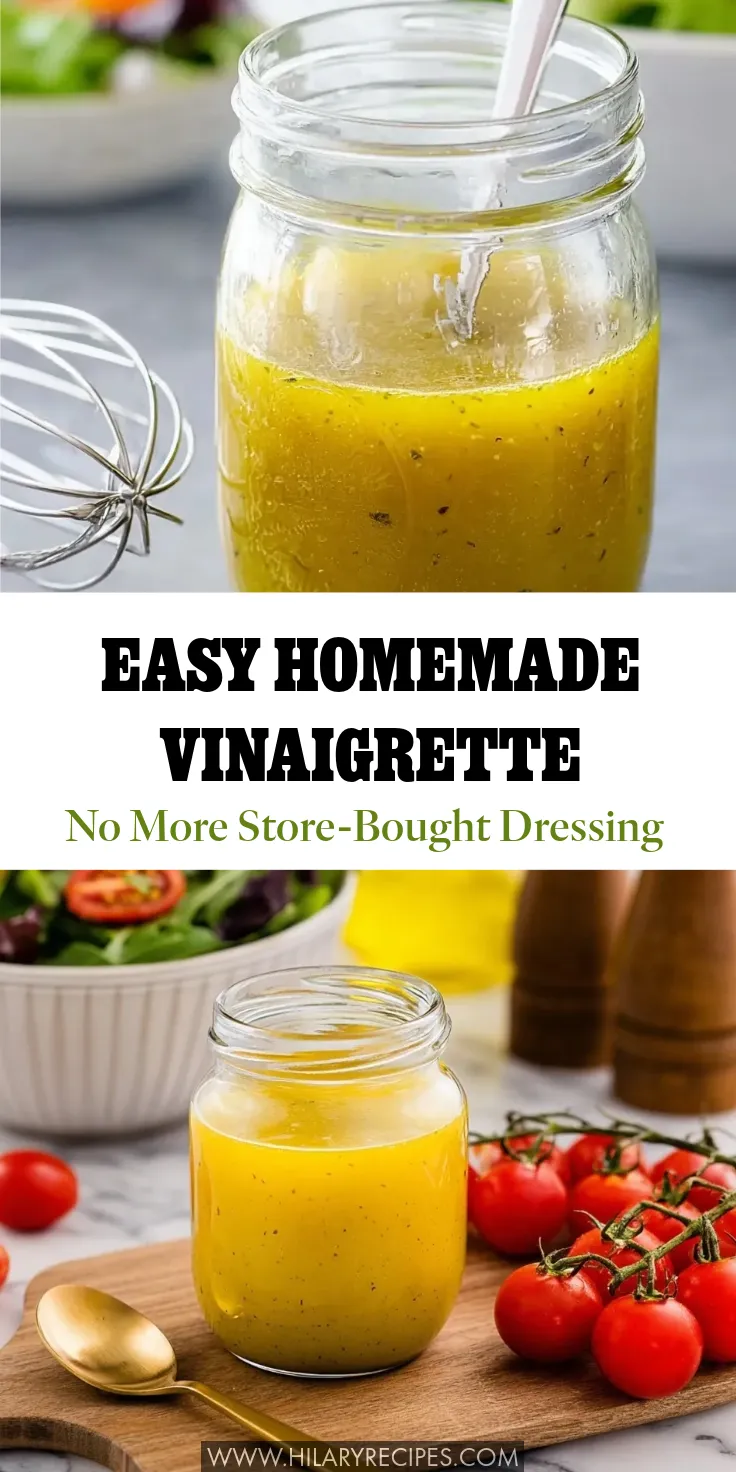
Table of Contents
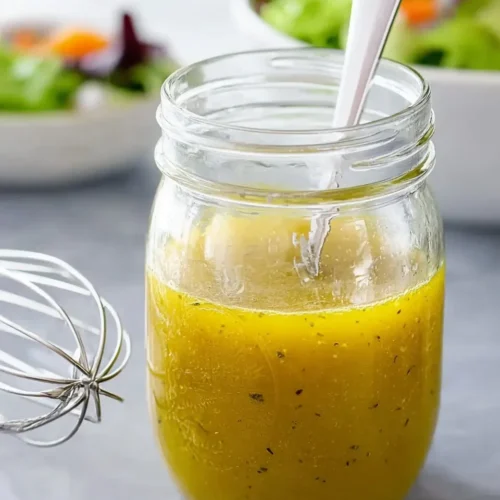
The Best 5-Minute Vinaigrette

Ingredients
- ½ cup Extra-virgin olive oil Use the good stuff for best flavor!
- 3 tablespoons Vinegar of choice Balsamic, Red Wine, or White Wine vinegar
- 1 tablespoon Dijon mustard Crucial for that creamy emulsion
- 1 tablespoon Maple syrup or honey Balances the acidity
- 2 medium Cloves garlic pressed or minced
- ¼ teaspoon Fine sea salt Plus more to taste
- To taste Freshly ground black pepper
Instructions
- Combine: In a liquid measuring cup, small bowl, or a glass jar with a tight lid, combine the olive oil, vinegar, Dijon mustard, maple syrup (or honey), minced garlic, salt, and pepper.
- Emulsify: If using a jar, seal it tight and shake vigorously. If using a bowl, whisk thoroughly with a fork or small whisk. You want the mixture to look smooth, glossy, and fully combined—not separated!
- Taste & Adjust: Give it a taste (this is the most important step!). If it’s too acidic, add a splash more oil or a drop of sweetener. If it tastes flat, add another pinch of salt to make the flavors pop.
- Serve or Store: Drizzle immediately over your favorite salad or store in an airtight container in the fridge.
Notes
- Storage: This vinaigrette stays fresh in the refrigerator for 7 to 10 days.
- Solidification: If the oil solidifies in the fridge (a sign of quality!), just let it sit at room temperature for 5-10 minutes or microwave briefly for 15 seconds to liquefy, then shake to re-emulsify.
-
Variations:
- Balsamic: Pairs perfectly with fruit and nut salads.
- Red Wine: Ideal for Greek salads or hearty romaine.
- White Wine: Best for delicate spring mixes or butter lettuce.
- Storage: This vinaigrette stays fresh in the refrigerator for 7 to 10 days.
- Solidification: If the oil solidifies in the fridge (a sign of quality!), just let it sit at room temperature for 5-10 minutes or microwave briefly for 15 seconds to liquefy, then shake to re-emulsify.
-
Variations:
- Balsamic: Pairs perfectly with fruit and nut salads.
- Red Wine: Ideal for Greek salads or hearty romaine.
- White Wine: Best for delicate spring mixes or butter lettuce.
Nutrition
Why This Simple Vinaigrette Recipe Works
The beauty of this recipe lies in the classic “golden ratio” of vinaigrettes: 3 parts oil to 1 part vinegar. This balance provides enough acidity to brighten up your greens without making your mouth pucker, while the oil carries the flavor and coats the leaves perfectly.
However, the real secret here is the Dijon mustard. Aside from adding a nice tangy kick, mustard acts as an emulsifier. Have you ever tried to mix oil and vinegar, only to watch them separate immediately? The mustard helps lock them together, creating a glossy, creamy consistency that clings to your salad rather than pooling at the bottom of the bowl.
Ingredients
Here is what you need to get started. I bet you have most of these in your pantry right now!
- Extra-Virgin Olive Oil (½ cup): Since this is the main ingredient of the dressing, opt for a high-quality oil if possible. The better the oil, the better the dressing!
- Vinegar (3 Tablespoons): You can use Balsamic, Red Wine, or White Wine vinegar, depending on your mood.
- Dijon Mustard (1 Tablespoon): This is the binder that creates that creamy emulsion.
- Maple Syrup or Honey (1 Tablespoon): A hint of sweetness balances the acidity perfectly.
- Garlic (2 Medium Cloves): Pressed or minced finely so you don’t get big raw chunks.
- Fine Sea Salt (¼ Teaspoon): Plus more to taste. Salt is crucial for bringing out the flavors.
- Freshly Ground Black Pepper: To taste.
How to Make Vinaigrette (Step-by-Step)
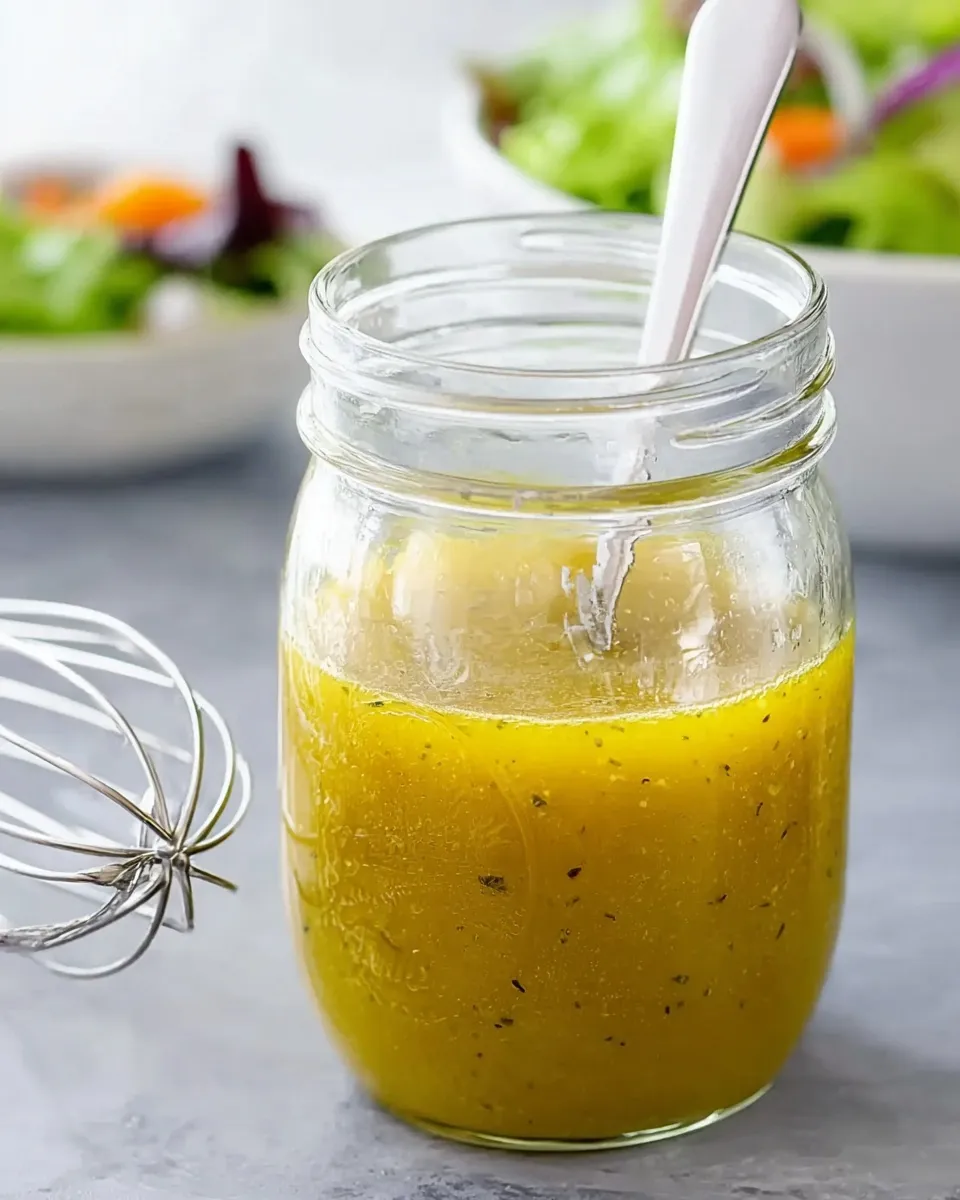
Get ready, because this comes together fast. I personally love using a mason jar for this because it means fewer dishes to wash!
- Combine Ingredients: Use a liquid measuring cup, a small bowl, or my personal favorite, a glass jar with a tight-fitting lid. Add ½ cup olive oil, three tablespoons vinegar, one tablespoon Dijon mustard, one tablespoon maple syrup (or honey), minced garlic, salt, and pepper.
- Emulsify: If using a jar, screw the lid on tightly and shake the jar vigorously for about 10-15 seconds. If you are using a bowl, whisk thoroughly with a small whisk or fork. You are looking for the mixture to become smooth, creamy, and thoroughly combined; it shouldn’t look separated.
- Taste & Adjust: This is the most critical step and where the magic happens! Dip a lettuce leaf or your finger in it and taste it.
- Too tangy? Add a bit more olive oil (1 tablespoon at a time) or a tiny squeeze more honey.
- Too bland? It probably needs salt. Salt minimizes bitterness and makes the lemon/vinegar shine.
- Needs more zing? Add vinegar by the Teaspoon until it hits that bright note you love.
- Serve or Store: Use it immediately to dress your greens, or seal the jar and pop it in the fridge. It keeps beautifully for 7 to 10 days.
Tips & Variations
One of the best things about this basic vinaigrette recipe is that it is a total chameleon. Once you master the base, you can customize it endlessly. Here are a few ways I like to switch it up:
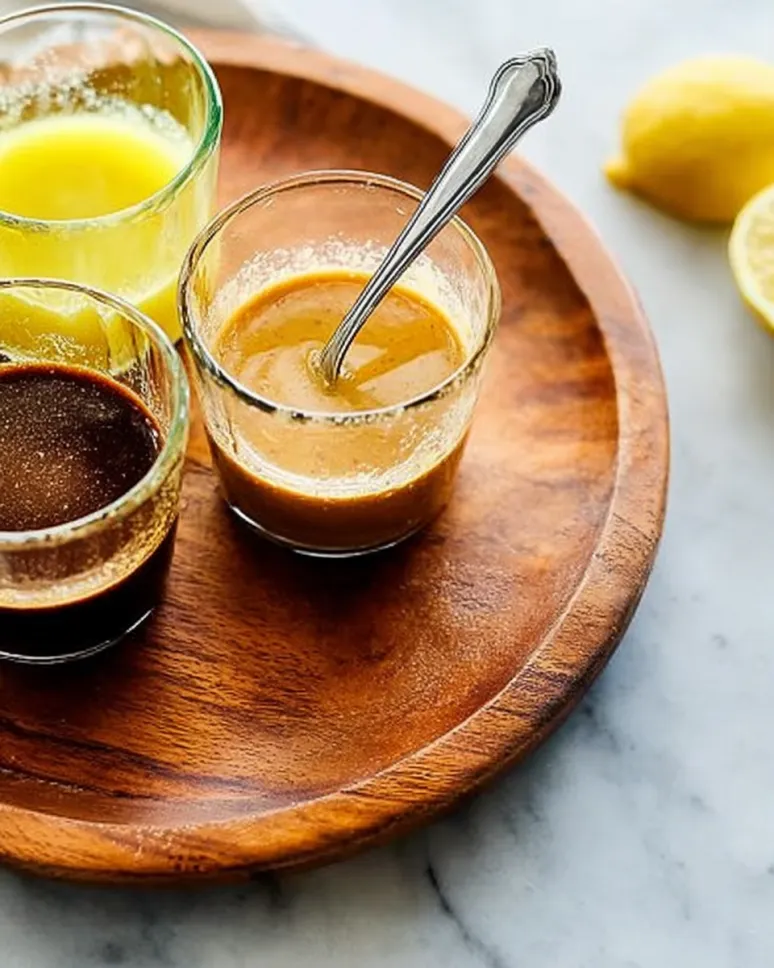
- Balsamic Vinaigrette: Swap the vinegar for balsamic. This creates a bold, slightly sweet dressing that is absolutely wonderful on salads with fruit (like strawberries or pears) and goat cheese.
- Red Wine Vinaigrette: Use red wine vinegar for a punchy, vibrant dressing. This is my go-to recipe for Greek salads, featuring tomatoes, cucumbers, feta, and Kalamata olives.
- White Wine Vinaigrette: This is the most versatile, mellow option. It works beautifully with delicate butter lettuce or spring mixes where you don’t want to overpower the tender greens.
- Fresh Herbs: If I have leftover herbs in the fridge, I chop them up and throw them in. Basil, parsley, or chives add a lovely fresh dimension.
- The “Fridge Solid” Fix: Real olive oil solidifies in the fridge; it’s actually a sign of quality! If you pull your jar out and it looks hard, don’t panic. Just let it sit on the counter for 5-10 minutes, or microwave it for 15-20 seconds to warm the oil, then shake it up again.
What to Serve With Vinaigrette
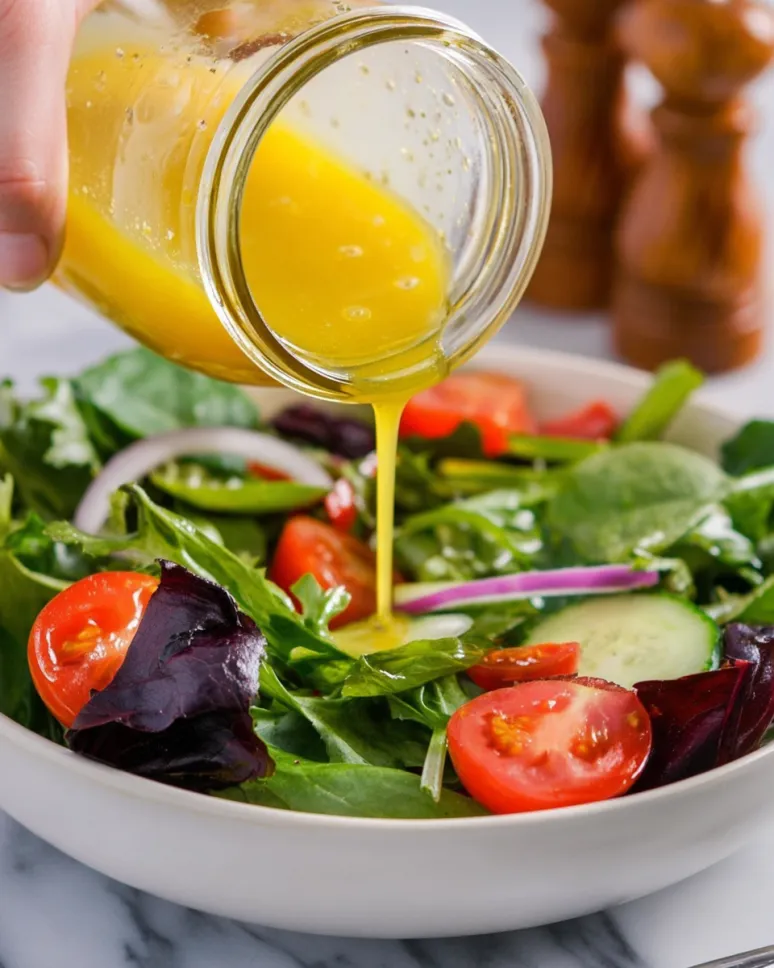
While a crisp green salad is the obvious choice, this liquid gold can do so much more.
- Grain Bowls: Drizzle this over quinoa or farro bowls to tie all the roasted veggies and grains together.
- Marinades: This vinaigrette makes a fantastic marinade for grilled chicken or pork chops. The acidity tenderizes the meat while the oil keeps it moist.
- Roasted Vegetables: Toss your broccoli, asparagus, or potatoes in this dressing after they come out of the oven. The vegetables absorb the flavor as they cool.
- Pasta Salad: It’s a lighter, fresher alternative to mayonnaise-based dressings for your summer pasta salads.
FAQs
How long does homemade vinaigrette last?
Because this recipe uses fresh garlic, it is best used within 7 to 10 days when stored in an airtight container in the refrigerator. The vinegar acts as a natural preservative; however, the fresh ingredients do have a limited shelf life.
Can I use lemon juice as a substitute for vinegar?
Absolutely! A lemon vinaigrette is incredibly refreshing. You can swap the vinegar for an equal amount of fresh lemon juice. This works particularly well with kale salads or massaged greens.
Why does my vinaigrette separate?
Separation is natural because oil and water (or vinegar) do not mix. However, the Dijon mustard in this recipe acts as an emulsifier, helping to hold them together for longer. If it separates, give it a vigorous shake or whisk just before serving.
Conclusion
Making your own simple vinaigrette dressing is one of those small kitchen wins that makes you feel like a pro. It takes five minutes, tastes infinitely better than the bottled stuff, and gives you total control over the ingredients.
I hope you give this a try! Once you see how easy it is, I have a feeling you’ll be shaking up jars of dressing every Sunday just like I do. If you make it, let me know which vinegar you chose in the comments below. I’d love to hear about your creations!