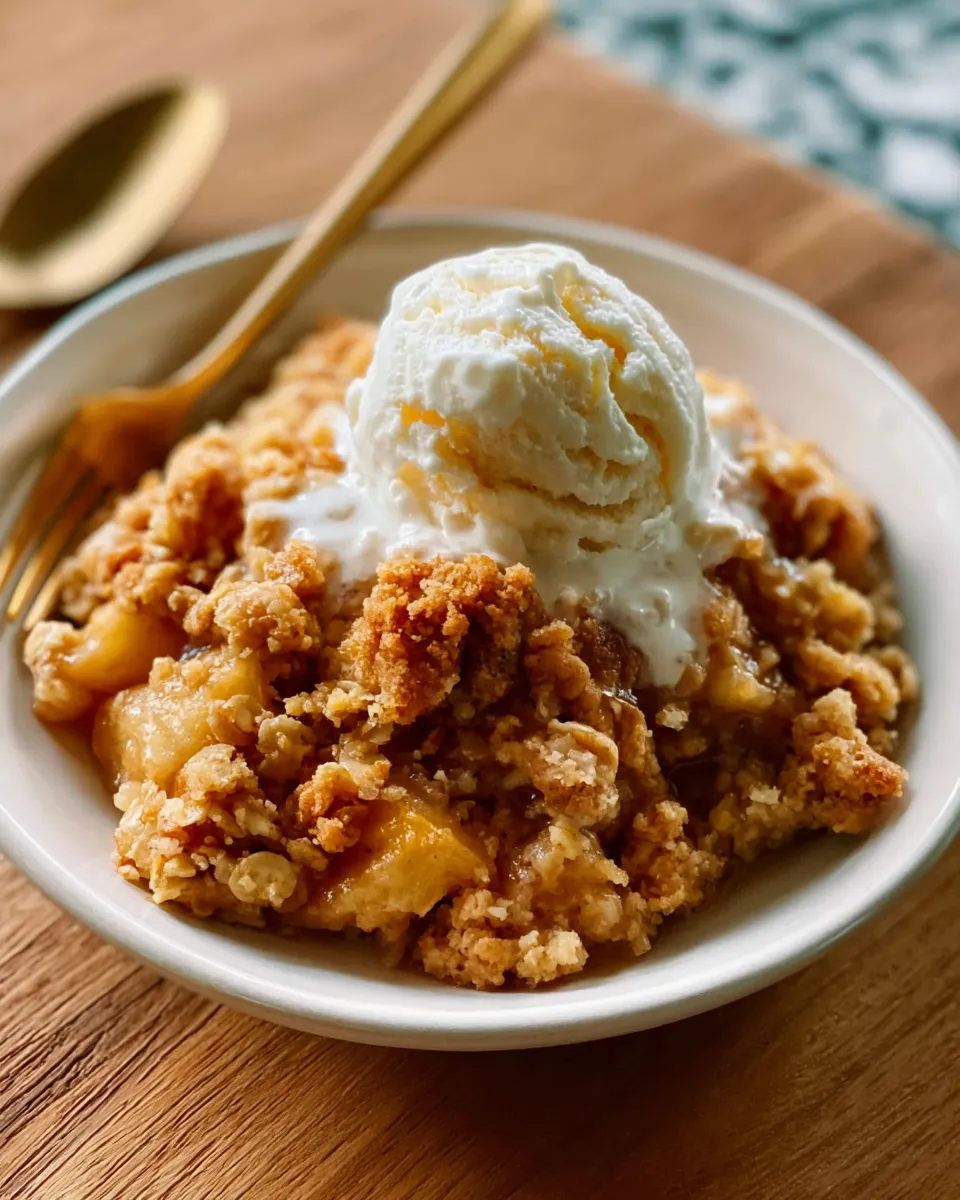
Get ready to fall in love with your new favorite weekend baking project. I remember hosting a last-minute brunch last April and needing something that felt bright and special, but I didn’t want to spend three hours elbow-deep in Dough. That is when I came up with this easy raspberry-lemon scone recipe. Though plenty of pastry shops exist, I wanted that warm, straight-from-the-oven magic, combined with a glossy, sweet-tart finish. Welcome to “The Ultimate Raspberry Lemon Scones Guide,” where we will be comprehensively covering the base recipe, variations, glaze options, and FAQs. These vibrant pastries are absolutely perfect to whip up between February and May, as scone-related interest always seems to spike around Easter, Mother’s Day, and spring brunch season! You can even save this recipe for a secondary push in July and August for summer brunch and tea. The buttermilk adds a subtle tang, the berries bring gorgeous jammy pockets, and you can pull it all together in under an hour.

Table of Contents
Why This Raspberry Lemon Scones Recipe Works
Before we dive into the flour and butter, let’s talk about what makes these homemade raspberry lemon scones stand out. While many traditional recipes or top-ranking competitors focus heavily on quick, easy prep that takes just 15 to 20 minutes, this method matches that speed while delivering exceptional layers. We use a cold-butter scone technique, combined with buttermilk and heavy cream, ensuring a rich, tender crumb that never feels dry. The zippy lemon zest perfectly balances the sweet berries, creating a flavor profile that is totally crave-worthy.
Easy Raspberry Lemon Scones

Ingredients
For the Scones:
- 4 cups all-purpose flour
- 4 tsp baking powder
- 1 tsp baking soda
- 1 tsp cream of tartar
- 1/2 tsp salt
- 1 1/2 sticks 3/4 cup cold unsalted butter, cut into small slices
- 3/4 cup buttermilk
- 3/4 cup heavy cream
- 1 large egg
- 1 tbsp lemon zest about 2 lemons
- 12 oz fresh raspberries or 1 1/2 cups frozen, unthawed
For the Lemon Glaze:
- 1 1/2 cups powdered sugar
- 2 tbsp fresh lemon juice
- 1 tsp poppyseeds
Instructions
- Mix the Dry Ingredients: In a large bowl (or a stand mixer fitted with a paddle attachment), combine the flour, baking powder, baking soda, cream of tartar, and salt. Whisk briefly to distribute everything evenly.
- Cut in the Butter: Add the cold butter slices to the flour mixture and mix on low until it resembles coarse crumbs with pea-sized clumps of butter still visible. Leave those butter clumps intact for maximum flakiness!
- Combine the Wet Ingredients: In a separate bowl, whisk together the buttermilk, heavy cream, egg, and lemon zest until well combined.
- Bring the Dough Together: Slowly pour the wet mixture into the dry ingredients. Mix just until the dough begins to come together and no dry streaks remain. Be careful not to overmix.
- Fold in the Raspberries: Turn the dough onto a floured surface and knead gently 4–5 times. Scatter the raspberries over half the dough, then fold the other half over the top. This keeps the berries nicely intact!
- Shape the Scones: Roll the dough into a rough 6-inch circle, fold it in half once more, then roll it again into a circle about 1-inch thick. Slice into 8 equal wedges using a sharp knife or pizza cutter. Place on a greased baking sheet.
- Bake: Bake at 425°F for 15–18 minutes until the tops are golden brown. Let them cool on the pan for 5 minutes.
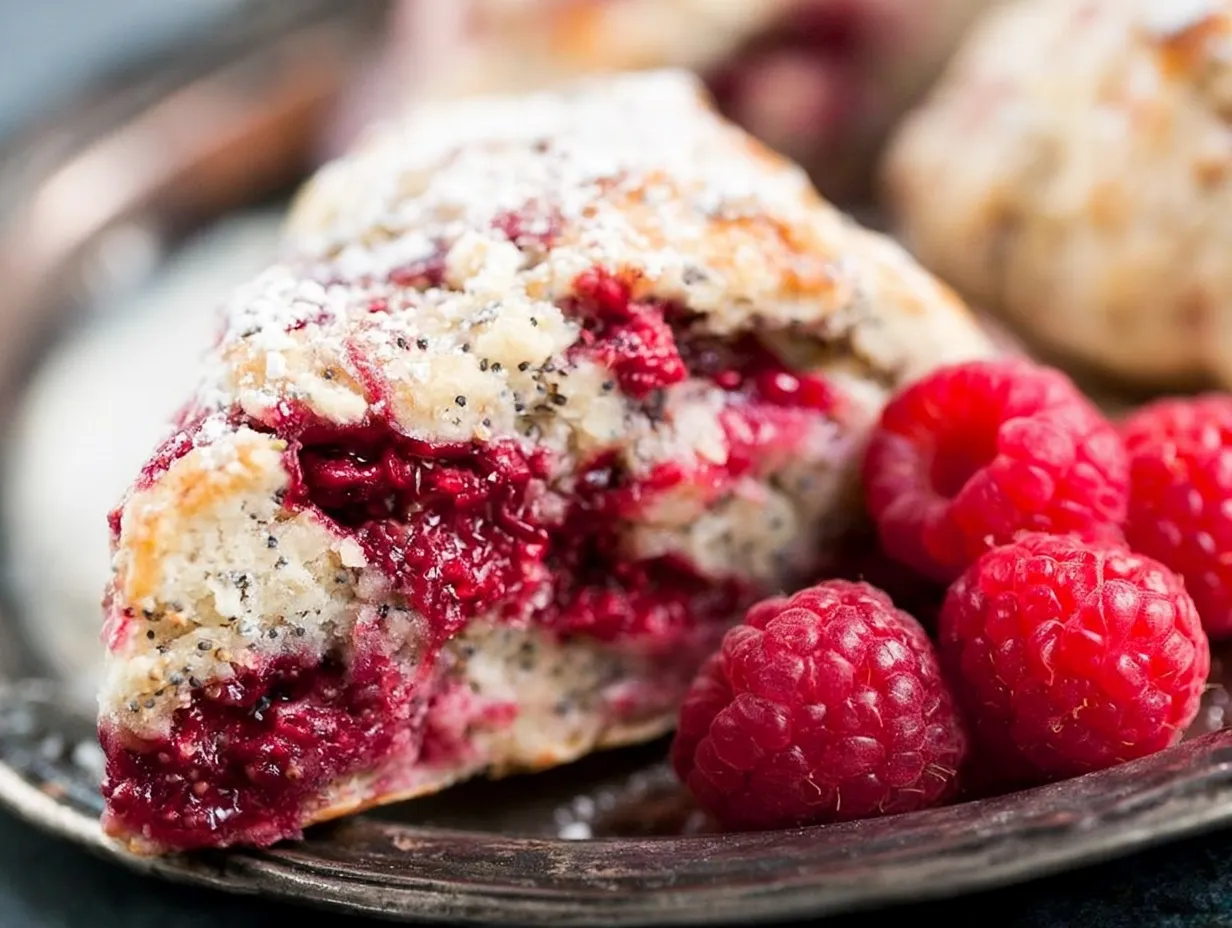
- Make & Apply the Glaze: Whisk the powdered sugar and lemon juice until smooth. Drizzle half the glaze over the warm scones. Let them rest for 10 minutes, then drizzle the remaining glaze over the top so it sets into a beautiful, glossy finish. Serve and enjoy!
Nutrition
Ingredients for Homemade Raspberry Lemon Scones
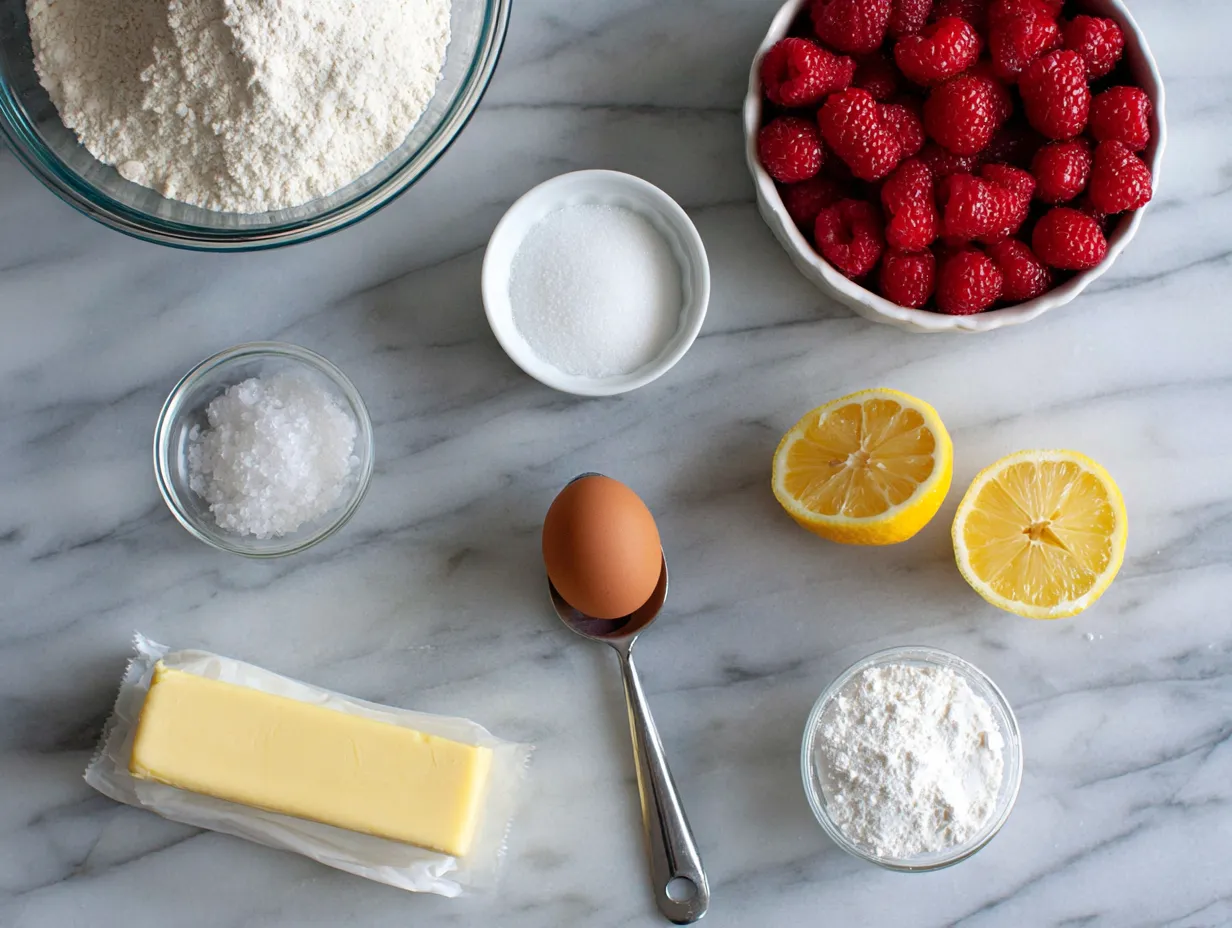
Here is exactly what you need to make these flaky pastries from scratch. Starting with quality ingredients is the secret to getting a great rise.
- 4 cups all-purpose flour
- 4 tsp baking powder
- 1 tsp baking soda
- 1 tsp cream of tartar
- ½ tsp salt
- 1½ sticks (¾ cup) cold unsalted butter, cut into small slices
- ¾ cup buttermilk
- ¾ cup heavy cream
- 1 large egg
- 1 tbsp lemon zest (about 2 lemons)
- 12 oz fresh raspberries (or 1½ cups frozen, unthawed)
Lemon Glaze for Scones: Easy 3-Ingredient Recipe
- 1½ cups powdered sugar
- 2 tbsp fresh lemon juice
- 1 tsp poppyseeds
How to Get Flaky Scones Every Time
- Mix the Dry Ingredients: In the bowl of a stand mixer fitted with the paddle attachment, combine the flour, baking powder, baking soda, cream of tartar, and salt. Whisk briefly to distribute evenly. Starting with well-measured dry ingredients is the foundation for consistent, beautifully risen scones every time.
- Cut in the Butter: Add the cold butter slices to the flour mixture and mix on low speed until the mixture resembles coarse crumbs with small, pea-sized clumps of butter still visible throughout. Those little pockets of cold butter are what create the scone’s signature flaky, layered texture. Don’t overwork them.
- Combine the Wet Ingredients: In a separate bowl, whisk together the buttermilk, heavy cream, egg, and lemon zest until well combined. The buttermilk adds subtle tang and tenderness, while the lemon zest infuses every layer of the Dough with bright citrus flavor.
- Bring the Dough Together: With the mixer running on low, slowly pour the wet mixture into the dry ingredients. Mix just until the Dough begins to come together, stop as soon as no dry streaks remain. Overmixing develops gluten and leads to tough scones; a shaggy, slightly rough dough is exactly what you want.
- Fold in the Raspberries: Turn the Dough out onto a lightly floured surface and gently knead 4–5 times to bring it together. Scatter the raspberries evenly over one half of the Dough, then fold the other half over the top. This gentle fold-in method keeps the berries mostly intact, giving you beautiful pockets of jammy fruit rather than a purple-streaked dough.
- Shape the Scones: Roll the folded Dough into a rough circle about 6 inches wide. Fold it in half once more, then roll it out again into a circle approximately 1 inch thick. Using a sharp knife or pizza cutter, slice the circle into 8 equal wedges. Place the wedges onto a greased baking sheet, spacing them slightly apart.
- Bake: Preheat your oven to 425°F. Bake the scones for 15–18 minutes, or until the tops are lightly golden brown and the edges look set. The high heat is intentional; it creates lift quickly, giving you tall, tender scones with a slightly crisp exterior. Let them cool in the pan for 5 minutes before glazing.

- Make & Apply the Glaze: In a small bowl, whisk together the powdered sugar and lemon juice until smooth and pourable. Drizzle half the glaze over the warm scones and allow them to rest for 10 more minutes. Then drizzle the remaining glaze over the top and serve. The two-pass glazing method ensures the first coat soaks gently into the warm scone while the second sets into a beautiful, glossy finish.

Fresh vs. Frozen Raspberries: Which Is Better?
When baking these lemon raspberry scones, you might wonder about your fruit options. I prefer fresh raspberries for their vibrant texture, but you can absolutely use frozen berries if they are out of season. If you opt for frozen, do not thaw them first; they will bleed too much moisture into your Dough and alter its consistency.
I also want to make sure everyone can enjoy a warm pastry, so I recommend differentiating by targeting underserved angles, such as dietary alternatives like vegan and gluten-free options, alongside our scone troubleshooting guides and make-ahead freezer instructions. For a gluten-free twist, swap all-purpose flour for a high-quality 1:1 gluten-free baking blend to make vegan raspberry lemon scones. Substitute chilled plant-based butter, a flax egg, and dairy-free cream.

Storage & Make-Ahead Tips
To make mornings smoother, leverage the freezer! You can cut the unbaked scones and freeze them directly on a baking sheet. Once solid, transfer them to a freezer-safe bag. Bake them straight from frozen, just adding 2 to 3 minutes to the total baking time.
Nutritional Information
(Approximate per serving: 420 calories, 6g protein, 20g fat, 55g carbohydrates, 3g fiber. Nutritional information is approximate and may vary based on ingredients used.)
What to Serve With Raspberry Lemon Scones
These versatile pastries pair beautifully with both sweet and savory sides. I usually serve them warm with an extra pat of butter or a generous dollop of clotted cream if I am leaning into a traditional afternoon tea vibe. They are also fantastic alongside a savory egg casserole, crispy bacon, or a vibrant fresh fruit salad.
If you are building a full weekend spread, you can build a scones topic cluster on your table and internally link your menu to related supporting posts like my Lemon Glaze Recipe, some of the Best Brunch Recipes for Spring, or even a quick guide on How to Make Buttermilk at Home. Serving a variety of Blueberry Scones and Strawberry Scones as sibling options is also a lovely touch.
Raspberry Lemon Scone FAQs
Baking can sometimes feel intimidating, so let’s walk through a few common questions to ensure your time in the kitchen is completely stress-free.
Can I use frozen raspberries in scones?
Yes, you certainly can! As mentioned earlier, just be sure to keep them completely frozen until the exact moment you fold them into the Dough. Thawed berries release too much liquid, altering the consistency of your Dough and making it too wet and difficult to shape properly.
What makes scones flaky?
The secret to those beautiful, flaky layers lies entirely in the cold butter. When small, visible pieces of cold butter hit the hot 425°F oven, the water inside the butter quickly turns to steam. That rapid steam pushes the layers of flour apart, giving you a gorgeous, towering rise and a tender crumb.
How do you store lemon scones?
Store your fully cooled, glazed scones in an airtight container at room temperature for up to two days. If you need to keep them fresher longer, place the unglazed baked scones in the freezer for up to a month, then thaw them and glaze them right before serving.
What is the difference between a scone and a biscuit?
While both rely on a similar cutting-in-butter technique, scones typically include eggs and heavy cream to create a richer, denser, and slightly more cake-like crumb. Biscuits generally rely primarily on buttermilk and omit the egg, resulting in a lighter, fluffier, and distinctly savory interior.
Conclusion
This really is the perfect, straightforward recipe for your spring weekend baking plans. The bright flavor combination, the satisfyingly flaky texture, and the sheer joy of pulling these out of the oven make the minimal effort totally worthwhile. I hope you give this homemade raspberry lemon scone recipe a try very soon! Leave a comment below letting me know how they turned out for you, and feel free to share any fun ingredient variations you experimented with. Happy baking!